

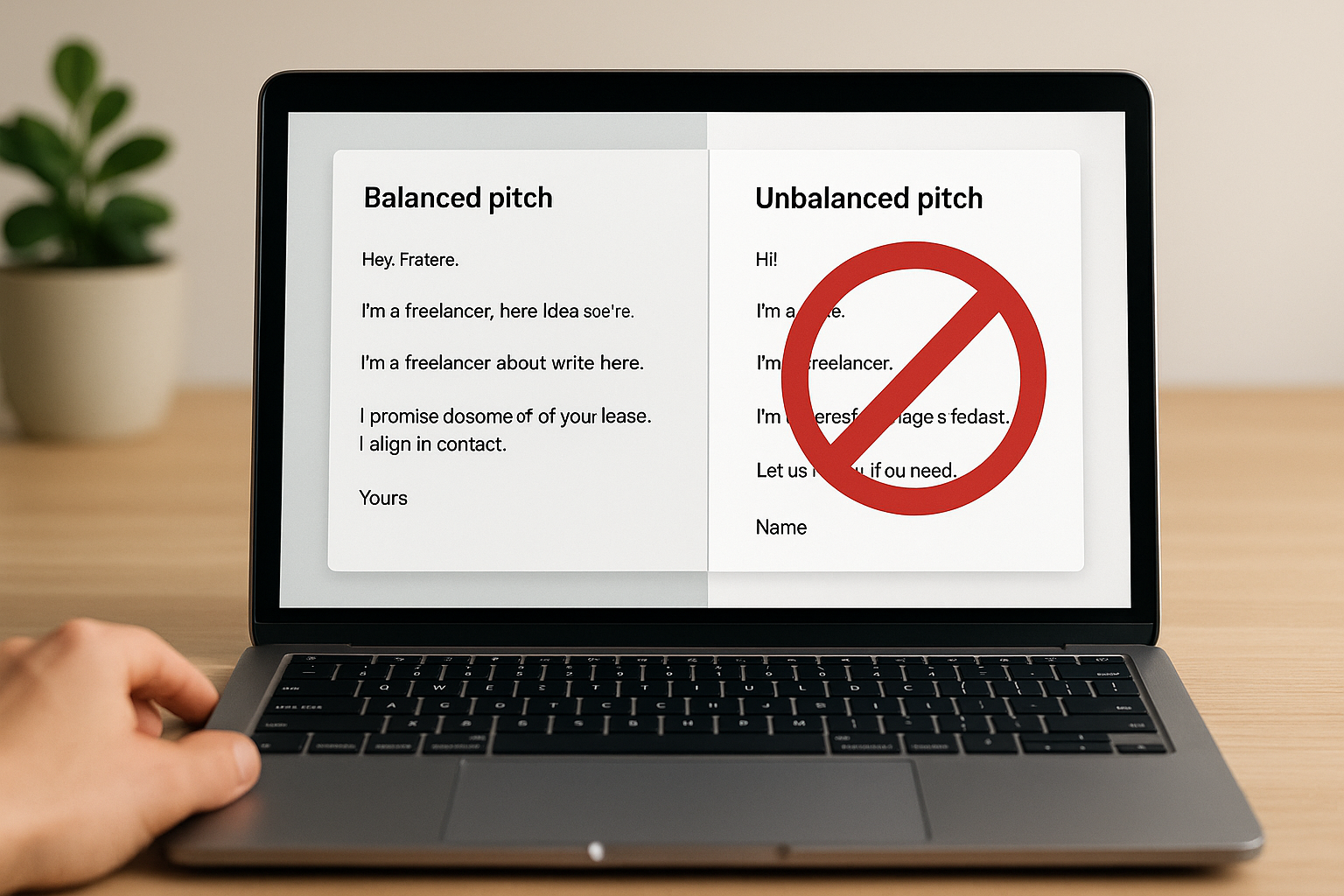
Sending out dozens of applications without getting a single reply is a frustrating rite of passage for new remote workers. Often, the issue is not a lack of skills, but a series of easily corrected freelance pitching mistakes that make otherwise capable professionals look like automated spam bots. When learning how to pitch remote freelance jobs, understanding how busy managers filter their inboxes is just as important as the service you actually provide.
By shifting your approach from a generic broadcast to a targeted business conversation, you can dramatically improve your response rates. Here is a breakdown of the primary barriers standing between you and your next contract, and how to fix them.
Five Freelance Pitching Mistakes That Kill Your Response Rates
1. Treating Your Pitch Like an Online Resume
One of the most frequent freelance proposal mistakes to avoid is writing a pitch that centers entirely on your history. Beginners often write paragraphs explaining where they went to university, listing every software tool they have ever opened, and detailing how much they need the work. While credentials matter, clients do not hire you to help your career; they hire you to solve an active business bottleneck.
Instead of leading with your biography, lead with the client’s problem. If a digital brand is looking for a video editor, they are usually trying to grow their audience retention on YouTube or clean up messy audio. Frame your skills as tools to achieve those outcomes. Address their project requirements in your opening lines and show that you understand what success looks like for their brand.
2. Relying on Untouched, Mass-Sent Templates
When figuring out how to get your first freelance client, it is tempting to play a numbers game by copying a generic script and sending it to dozens of listings daily. However, clients can spot a copied-and-pasted template instantly. It signals that you did not read their project brief and are not particularly invested in their business.
To execute effective client outreach for freelancers, personalization is non-negotiable. Mention specific details from the job post, reference their current website or social channel, and suggest a concrete improvement. If you use freelance cold email templates to speed up your workflow, treat them as a structural outline rather than a finished message. Customize at least half of the pitch to show you have actually looked at their business.
3. Racing to the Bottom on Price
It is common to assume that offering the lowest rate is the easiest way to secure a remote contract. In reality, pricing yourself too low often acts as a red flag. It can signal a lack of experience, poor quality, or low professional confidence. It also traps you in a cycle of exhausting, low-paying projects that quickly lead to burnout.
Developing practical freelance rate negotiation tips starts with understanding your value. Quote a fair rate that reflects the quality of your output, and be prepared to explain the scope of work included in that price. If a client’s budget is genuinely tight, offer to reduce the project scope, such as delivering two blog posts instead of four, rather than lowering your baseline rate. This maintains your professional boundaries and keeps the relationship balanced.
4. Providing Unrelated or Unorganized Proof of Work
Every hiring decision carries financial risk. If you fail to provide clear, relevant proof of your capabilities, that risk feels too high for the client. Many new freelancers send a massive, unorganized link to a cloud drive containing every file they have ever created, expecting the client to sift through it to find what is relevant.
Focus on curating a small selection of highly relevant work. If you are pitching a social media management project, your web design samples are irrelevant. If you do not have paid client work yet, create speculative projects. Write a sample article for a brand in their niche, edit a short video concept, or mock up a landing page. High-quality, targeted samples are the foundation of writing winning proposals for remote work.
5. Letting the Conversation Drop Too Soon
In practice, freelance pitching mistakes becomes clearer when you compare the options against the goal in front of you. A surprising number of freelancers send a proposal, hear nothing for forty-eight hours, and assume the client is not interested. However, business owners are frequently derailed by urgent tasks, internal meetings, and daily operations. Letting a cold pitch sit unanswered without a follow-up is one of the most passive, yet common errors in freelance pitching.
A brief, professional follow-up sent three to five days after your initial proposal can put you back at the top of their inbox. Keep the message simple, friendly, and helpful. Ask if they have had a chance to review your ideas, and offer to jump on a quick call to discuss the project details. Often, this gentle nudge is what secures the project.
Comparing Common Pitching Habits
To illustrate how small changes in your pitching style can make a significant difference, consider the differences in approach below:
| Pitching Component | The Ignored Pitch | The Winning Approach |
|---|---|---|
| Subject Line | Inquiry, Freelancer for Hire, or Job Application. | A specific, benefit-driven line referencing their specific platform or goal. |
| Opening Line | “My name is X, and I am a freelancer with five years of experience.” | A direct reference to their current project challenge and how you intend to solve it. |
| Portfolio | A massive link to a folder containing unorganized project drafts. | Three direct links to work that matches the client’s industry and style. |
| Pricing | “I will do this for whatever price you want, just hire me.” | A clear, professional estimate with a defined list of deliverables. |
How Direct Problem-Solving Lands Clients
Consider the difference a targeted approach can make. A freelance content strategist spent weeks sending dozens of template-based applications to open job posts, receiving no response. Realizing the approach was too generic, they changed strategies.
They identified a growing software company whose company blog had not been updated in several months. Instead of sending a standard resume, the freelancer sent a short email pointing out the gap, proposing three specific article ideas that targeted the company’s customer base, and explaining how consistent content could bring in more trial signups. The founder responded within hours to set up a call. The freelancer landed the client not because of a more impressive resume, but because they bypassed the noise and addressed an immediate business need.
Practical Actions You Can Take Today
Improving your pitch response rate does not require months of study. You can implement these two adjustments immediately:
- Organize your samples: Pick your three best pieces of work and group them by project type. This allows you to quickly select and share the most relevant links when a new opportunity appears.
- Build a flexible framework: Create a pitching outline that saves time but leaves dedicated, empty spaces where you must write custom ideas, client references, and solutions for each specific prospect.
Refining Your Remote Client Strategy
Avoiding these typical pitfalls is an ongoing process of refining your communication and learning what resonates with your target market. Pay close attention to the pitches that spark conversations and the subject lines that get opened.
As you gain experience and complete your first few projects, pitching will feel less like a shot in the dark and more like a structured process. Focus on clear communication, showcase your work professionally, and treat prospective clients as business partners. Shifting your mindset from simply searching for a gig to actively helping a business succeed will turn cold outreach into a sustainable tool for growing your remote freelance career.
Common Questions About 5 Freelance Pitching Mistakes New Remote Workers Must Avoid
How long should a remote freelance pitch be?
Keep your pitch concise, usually between 150 and 300 words. Busy clients prefer proposals they can read quickly on a mobile screen. State the problem, present your solution, share relevant work, and end with a call to action.
What should I do if I do not have any professional freelance samples?
You can create speculative samples. Design a mock landing page, write a sample blog post, or redesign an existing logo for a hypothetical brand. Label these as concept projects in your portfolio to show your skills.
Should I include my rates directly in my initial pitch?
It depends on the platform. If you are applying on a job board that requires a bid, include a clear estimate. If you are cold emailing, it is often better to gauge their interest first and discuss pricing during a brief discovery call.
Before making a decision about freelance pitching mistakes, use these points to weigh the trade-offs in your own situation. Ready to land your next remote client? Find one business today, study their current digital presence, and send a highly tailored pitch addressing their specific needs.









Discussion