

freelance photography and videography business. Discover how to balance on-site shoots with profitable remote post-production. Master local client acquisition and build an efficient remote editing workflow.
Running a successful freelance photography and videography business requires more than just knowing how to operate a camera. It is a balancing act between physical presence and digital production. Many creators struggle because they treat every project as a localized, manual job. They run from one local shoot to the next, leaving little time to scale their income or manage their workload.
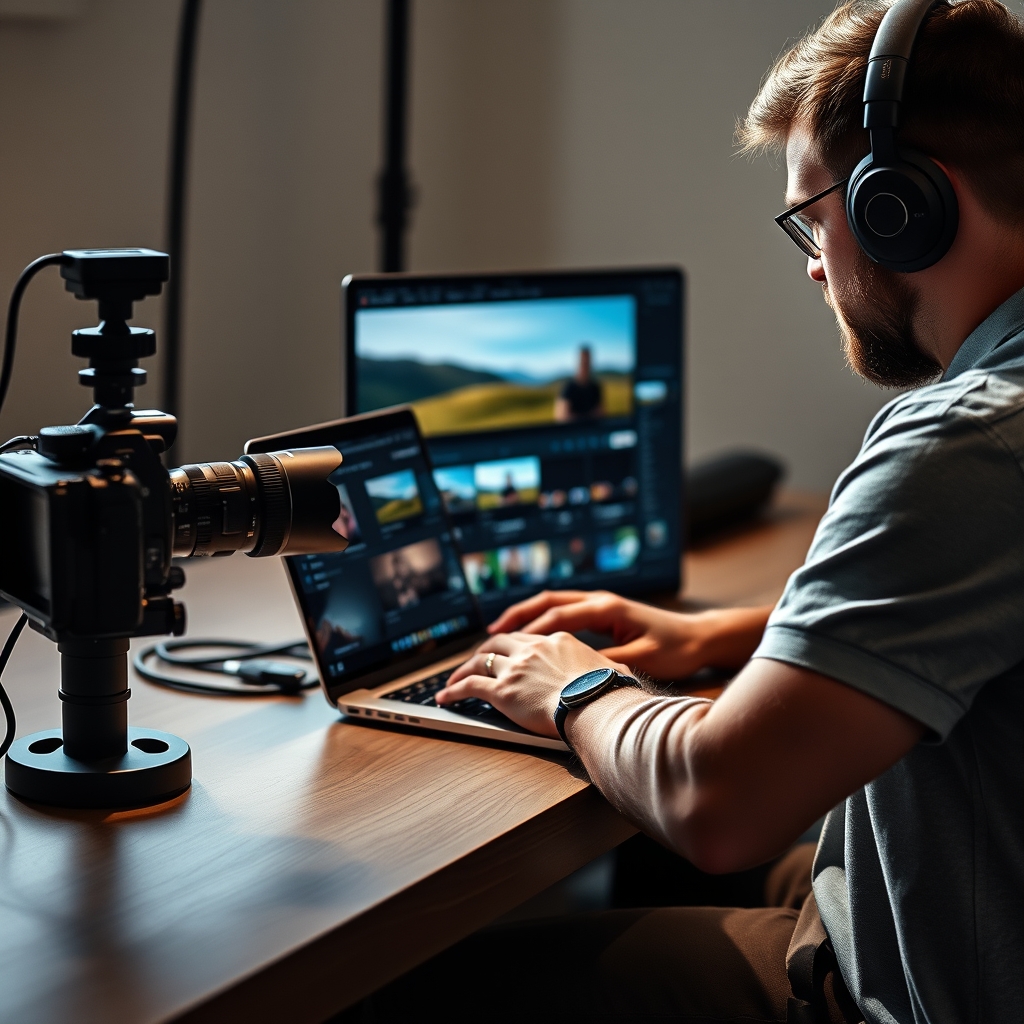
By splitting your creative workflow into two distinct pillars: local production and remote post-production, you can build a more sustainable business. This hybrid approach lets you shoot high-value projects in your local area while scaling your income through editing services that can be done from anywhere in the world.
The Hybrid Video Production Business Model: freelance photography and videography business
To scale your business, you must rethink your core offering. The traditional video production business model often relies entirely on local gigs. If you do not show up on set, you do not get paid. However, a hybrid model separates the physical act of capturing footage from the digital process of assembling the story.
In this model, your physical location is your local hub for high-touch relationship building. Meanwhile, your digital setup is a global engine. You can shoot a corporate event in your home city on Tuesday, and edit a project for a client three states away on Thursday. This diversification keeps your pipeline full even during slow local shooting seasons.
Tip: Treat your shooting days and editing days as separate business units. Never schedule major editing deadlines on days when you are booked for an eight-hour on-site shoot. Your physical exhaustion will destroy your editing productivity.
Method 01: Local Client Acquisition for Photographers and Videographers: freelance photography and videography business
Securing high-paying local shoots is the foundation of your hybrid business. Local businesses prefer to hire creators they can meet in person, making local relationships highly valuable. Here is how to build your local portfolio:
- Target local service businesses: Focus on real estate agencies, local gyms, event planners, and corporate offices. These businesses need regular visual content but rarely have in-house creators.
- Pitch specific problems, not generic services: Instead of offering a generic video, explain how a high-quality video on their landing page can increase their customer inquiries.
- Attend local networking groups: Chamber of Commerce meetings and local business meetups are goldmines for finding commercial clients who value face-to-face trust.
Consider the example of Sarah, a commercial videographer. Instead of bidding on highly competitive online marketplaces for freelance cinematography jobs, she spent a week visiting local culinary businesses. She offered to create a short, high-impact social media video for a popular local bakery. That single local project led to a monthly retainer and three referrals to other local business owners who needed on-site coverage.
Method 02: Designing a Remote Video Editing Workflow
Once you secure your clients, the bottleneck is usually post-production. To handle both local editing and remote editing gigs without burning out, you need a structured remote video editing workflow. The goal is to minimize friction when transferring large files and getting feedback.
Streamlining Post-Production File Sharing
Raw video files are massive. Relying on slow, unorganized upload methods will stall your projects and frustrate your clients. Professional post-production file sharing requires dedicated tools and a strict organization system.
Create a standardized folder structure for every project, including separate directories for raw footage, audio, assets, and exports. Use cloud-based storage platforms designed for media professionals to share drafts. This allows clients to leave time-coded comments directly on the video frame, which prevents endless chains of confusing feedback emails.
Managing Creative Client Expectations
Miscommunication is the fastest way to lose a client. When working remotely, you cannot read body language or explain your creative choices in real time. Therefore, managing creative client expectations from day one is critical.
In practice, freelance photography and videography business becomes clearer when you compare the options against the goal in front of you. Always specify the number of revision rounds included in your initial quote. Clearly define what constitutes a revision: adjusting a cut or color grade is a revision; changing the entire project scope or script after the edit is complete is a change order that requires additional payment.
Pricing Creative Services in a Hybrid Model
Many creators struggle with pricing creative services because they treat on-site time and screen time the same way. When you are on set, you are using expensive physical gear, traveling, and managing crew. When you are editing, you are using your specialized post-production software and creative focus.
The table below outlines a balanced way to structure your pricing across different services to ensure you remain profitable.
| Service Category | Key Cost Factors | Pricing Model Recommendation | Ideal Client Type |
|---|---|---|---|
| Local Commercial Shoots | Gear wear, travel time, active shooting hours | Day rate plus equipment fee | Local brands, real estate agencies, event coordinators |
| Remote Post-Production | Software licenses, specialized edit suite, computing power | Flat project-based fee or per-minute of delivered video | Ad agencies, busy creators, remote marketing teams |
| Ongoing Retainer Packages | Predictable monthly availability, fast turnaround | Flat monthly recurring fee | Consistent content creators, local businesses with monthly campaigns |
Balancing Local and Remote Creative Work
The biggest challenge in this business is balancing local and remote creative work without letting one crowd out the other. It is easy to let an urgent on-site shoot delay your remote editing deadlines, or conversely, to spend so much time editing that you neglect your local marketing efforts.
To keep your business running smoothly, design a weekly schedule that separates your physical and digital days. For instance, you can designate Tuesdays and Thursdays as your dedicated shooting days. Use Mondays, Wednesdays, and Fridays strictly for remote editing, client communication, and local client outreach. This structure protects your creative focus and ensures that you are not constantly switching gears between physical setups and deep-focus computer work.
Designing Your Hybrid Creative Routine
To take your creative business to the next level, you must stop viewing yourself as just a camera operator. You are a business owner who provides valuable visual solutions. Start by auditing your current workflow. Identify where you are losing time and where your pricing falls short.
Begin by organizing your digital files and setting up a standardized folder template. Reach out to three local businesses this week to offer a targeted visual service, and set clear boundaries for your remote editing hours. By building structured systems for both your physical and digital services, you will create a highly resilient business that thrives in any market.
Frequently Asked Questions
How do I deliver large raw video files to remote clients?
Use dedicated media sharing services like Frame.io, MASV, or Dropbox. For extremely large projects, some creators prefer to ship physical SSD drives via courier, though fast internet connections and cloud storage are generally more efficient for ongoing remote editing workflows.
What is the best way to handle clients who ask for endless video revisions?
Prevent this by writing a clear contract before the project starts. State exactly how many rounds of revisions are included (typically two rounds) and specify that any additional edits beyond that will be billed at your hourly post-production rate.
Should I charge by the hour or by the project for remote editing?
Project-based pricing is usually better for remote editing. It rewards your efficiency and allows the client to know their exact cost upfront. Hourly pricing can sometimes penalize you for working fast and using professional shortcuts.
Before making a decision about freelance photography and videography business, use these points to weigh the trade-offs in your own situation. Ready to streamline your creative business? Set up your file sharing system today and pitch your first local business client this week!









Discussion