

Why creating a membership site is the smartest way to sell digital products in Nigeria
You’ve probably felt this before: you pour hours into creating a course, a template, or an ebook, only to watch the sales trickle in. One-off digital products are great for cash flow, but they don’t give you the steady income you need to grow. That’s where creating a membership site changes everything. Instead of chasing new customers every month, you build a community of paying members who return regularly. That’s recurring revenue,money that keeps coming in while you sleep or focus on creating more value.2
For creators in Nigeria, this model is especially powerful. You can host your digital products in one place, deliver value consistently, and charge a monthly or annual fee. No need for complex websites or expensive developers. With the right platform and strategy, you can set this up in a weekend and start earning within days.3
Imagine this: a photographer who sells Lightroom presets could offer a membership that includes new presets every month, plus editing tutorials. A business coach could host a private community where members get live Q&A sessions, templates, and accountability check-ins. The key is to package what you already do into a simple, automated system that people are happy to pay for regularly.4
What a membership site isn’t (and why that’s a relief)5
You don’t need a full-blown website with forums, chat rooms, and a custom app. A simple membership site is just a private area on your existing website where paying members can access their products. It could be a password-protected page, a hidden section in your WordPress dashboard, or a standalone platform that handles payments and access for you.6
This keeps things low-tech and affordable. You focus on creating value, not wrestling with code. The tech handles the rest: accepting payments, granting access, and even sending reminders when memberships expire. For Nigerian creators, this means you can start small and scale as your community grows.7
No complex integrations. No endless customer support tickets. Just a straightforward way to turn your existing digital products into a predictable income stream.8
How to create a membership site: Choose the right platform to keep it simple and affordable9
You don’t need to build a custom system from scratch. Several platforms make it easy to set up a membership site without coding. The trick is picking one that fits your needs, budget, and technical comfort level. Here’s a breakdown of your best options.10
Option 1: WordPress + a membership plugin (best for flexibility and control)11
If you already use WordPress for your website, adding a membership plugin is the easiest way to get started. Plugins like MemberPress12, Restrict Content Pro13, or Paywall14 let you protect pages, posts, or downloads behind a paywall. You can set up different membership levels, drip content over time, and accept payments through Nigerian-friendly gateways like Flutterwave or Paystack.15
For example, a video editor could use MemberPress to sell access to a library of editing tutorials. Each month, new videos are unlocked for members only. The plugin handles payments, login access, and even sends emails when a membership is about to expire. You just upload your content and set the rules.16
Cost: Most membership plugins cost between $99 and $299 per year. Add hosting (around ₦10,000,₦30,000 per year) and payment fees (1.4%,3.5%), and you’re looking at a total annual investment of roughly ₦50,000,₦150,000, depending on your traffic and sales volume.17
Option 2: Standalone membership platforms (best for speed and simplicity)18
If you don’t want to manage a WordPress site, standalone platforms like Podia19, Gumroad20, or Teachable21 let you create a membership site in minutes. These platforms handle hosting, payments, and member access for you. You just upload your products, set your price, and share the link.22
For instance, a fitness coach could use Podia to sell a monthly membership that includes workout plans, meal guides, and live coaching calls. The platform takes care of payments, member logins, and even basic email marketing. You focus on creating content, not fixing technical issues.23
Cost: Most standalone platforms charge a monthly fee (Podia starts at $39/month, Teachable at $29/month) plus payment processing fees (1.4%,3.5%). For a Nigerian creator, that’s roughly ₦20,000,₦50,000 per month, depending on the plan and sales volume.24
Option 3: WhatsApp or Telegram groups (best for ultra-simple, low-cost testing)25
If you’re just starting out and want to test the waters, you can use WhatsApp or Telegram groups as a low-tech membership site. Create a private group, charge a small monthly fee via bank transfer or Flutterwave, and share your digital products there. It’s not automated, but it works for small audiences and lets you validate demand before investing in a proper platform.26
For example, a graphic designer could offer a “Design Club” on WhatsApp where members get new templates every week. Payments are handled manually, but the overhead is almost zero. Once you have enough members, you can move to a more automated system.27
Cost: Nearly free, aside from your time. You might spend ₦5,000,₦10,000 on basic marketing or a domain name to look more professional.28
Which option is right for you?29
Ask yourself:30
- Do you already use WordPress?31 If yes, a plugin is the easiest upgrade.32
- Do you want to launch fast and avoid technical work?33 A standalone platform like Podia or Teachable is your best bet.34
- Are you just testing the idea?35 Start with WhatsApp or Telegram to validate demand without spending much.36
Your choice depends on your budget, technical skills, and how quickly you want to launch. But remember: the goal is to start small, learn fast, and scale as you go.37
Pricing your membership: How to charge without scaring people away38
Pricing is where many creators get stuck. Charge too little, and you’ll struggle to cover your time. Charge too much, and you’ll scare off potential members. The key is to find a balance between value and affordability. Here’s how to do it right.39
Start with the value, not the cost40
Your price should reflect the value you provide, not just your costs. Ask yourself: What problem does my membership solve? How much time or money will it save my members? For example, if your membership helps freelancers land more clients, you could price it based on the average income increase your members experience.41
In Nigeria, common membership prices range from ₦2,000 to ₦20,000 per month, depending on the niche. A beginner-friendly course membership might cost ₦3,000,₦5,000 per month, while a premium coaching program could go up to ₦15,000,₦20,000. Annual plans often offer a discount (e.g., pay ₦50,000 for the year instead of ₦5,000 x 12), which improves cash flow for you and saves members money.42
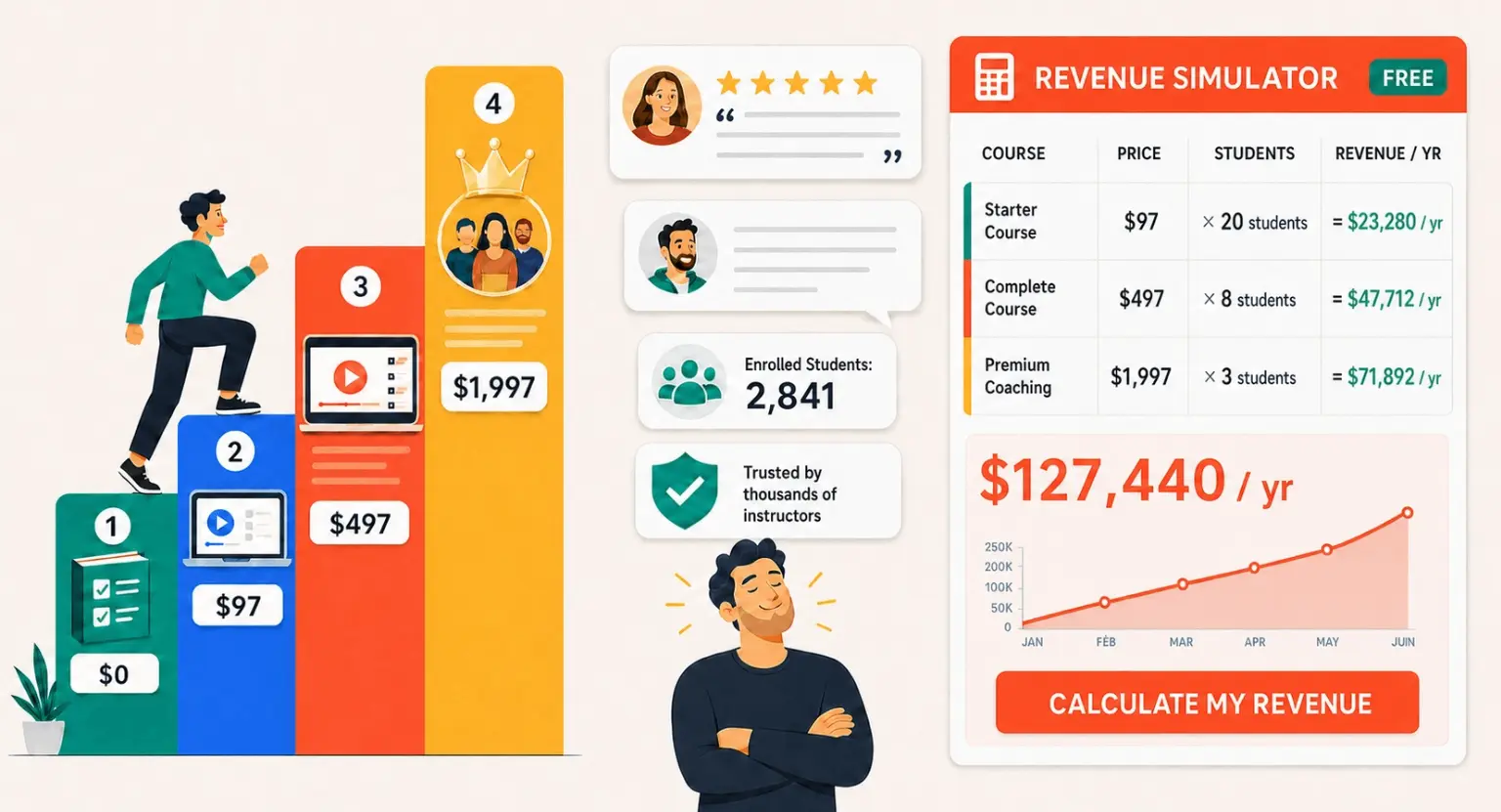
Here’s a quick pricing guide based on common Nigerian memberships:43
| Niche44 | Example Membership45 | Monthly Price (₦)46 | Annual Price (₦)47 |
|---|---|---|---|
| Photography48 | Presets + editing tutorials49 | 3,000,5,00050 | 30,000,45,00051 |
| Business Coaching52 | Templates + live Q&A53 | 5,000,10,00054 | 50,000,90,00055 |
| Fitness56 | Workout plans + meal guides57 | 2,500,7,00058 | 25,000,60,00059 |
| Digital Marketing60 | Templates + strategy calls61 | 4,000,12,00062 | 40,000,100,00063 |
Test with a low price first64
If you’re unsure, start with a low price and raise it later. For example, offer your first 20 members a ₦1,500 monthly fee for three months. After that, increase the price to ₦3,000. This lets you build testimonials and social proof before asking for a higher commitment.65
You can also offer a free trial or a discounted first month to lower the barrier to entry. Just make sure your pricing covers your costs,even if it’s just the platform fees and your time. For example, if your platform charges 2.5% per transaction and your membership costs ₦3,000, you’ll receive ₦2,925. That’s still enough to cover your time if you’re spending 2,3 hours per month on the membership.66
What if no one signs up?67
If your membership isn’t getting traction, don’t panic. Ask your early members (or even non-members) what’s holding them back. Sometimes the issue is the price, but often it’s the value. Are you delivering enough content? Is the community engaging enough? Use their feedback to tweak your offer before raising the price.68
Setting up recurring payments: How to get paid automatically in Nigeria69
Recurring payments are the backbone of a membership site. You need a way to charge members every month without chasing them down or manually sending invoices. Here’s how to do it in Nigeria, with platforms that actually work.70
Use a local payment processor71
Platforms like Flutterwave72 and Paystack73 let you accept recurring payments from Nigerian bank accounts and cards. They handle the technical side, so you don’t have to worry about failed transactions or expired cards. Most membership plugins and standalone platforms integrate directly with these services, making setup easy.74
For example, if you use MemberPress on WordPress, you can connect it to Paystack or Flutterwave in a few clicks. Members enter their card details once, and payments are charged automatically each month. You get notified of successful payments and can even send reminders when a card is about to expire.75
Cost: Both Paystack and Flutterwave charge around 1.4%,3.5% per transaction. For a ₦5,000 monthly membership, you’ll pay roughly ₦70,₦175 per payment. That’s a small price to pay for automation and reliability.76
Offer alternative payment methods77
Not everyone in Nigeria has a debit card. Some members may prefer to pay via bank transfer, USSD, or mobile money. Make sure your platform supports these options. For example, Paystack allows payments via bank transfers and USSD, while Flutterwave supports mobile money in some African countries.78
You can also accept payments manually for small groups. For instance, if you’re using WhatsApp or Telegram, members can send you a transfer and you add them to the group. It’s not automated, but it works for early-stage memberships.79
Watch out for fees and limits80
Payment processors charge fees for each transaction, usually around 1.4% to 3.5%. Factor this into your pricing. If your membership costs ₦5,000 per month and the fee is 2.5%, you’ll receive ₦4,875. Make sure your price still covers your costs after fees.81
Also, check the withdrawal limits and payout times. Some processors have minimum withdrawal amounts or delay payouts on weekends. Choose one that fits your cash flow needs.82
Creating content that keeps members coming back83
A membership site only works if you deliver consistent value. If members don’t get new content regularly, they’ll cancel. Here’s how to keep them engaged and reduce churn.84
Drip content over time85
Instead of giving members everything at once, release content gradually. For example, if you’re selling a course, unlock one module per week. If you’re sharing templates, send one new template every Monday. This creates anticipation and gives members a reason to return.86
Most membership plugins and platforms let you set up “drip” schedules. You upload all your content at once, then schedule when each piece becomes available. This saves you time and keeps members engaged.87
Mix formats to keep it fresh88
Don’t rely on just one type of content. Mix videos, PDFs, live Q&A sessions, and downloadable resources. For example, a business coach could offer:89
- Weekly video lessons90
- Monthly live group coaching calls91
- Downloadable templates and checklists92
- A private community forum for questions93
This variety keeps members interested and makes your membership feel like a complete experience, not just a collection of files.94
Engage with your community95
People join memberships for the content, but they stay for the community. Encourage interaction by asking questions, running polls, and hosting live sessions. For example, you could end each month with a live AMA (Ask Me Anything) where members get to ask you anything about your niche.96
If you’re using a platform like Podia or Teachable, they include community features like comment sections or chat rooms. If you’re on WordPress, you can add a free plugin like bbPress97 for forums. The key is to make members feel like they’re part of something bigger than just a product.98
Launching your membership site: A step-by-step checklist99
Ready to launch? Here’s a simple checklist to get your membership site up and running in a weekend. No fluff, no unnecessary steps,just the essentials.100
- Choose your platform.101 Pick a membership plugin (if using WordPress) or a standalone platform like Podia or Teachable. Sign up and set up your account.
- Upload your content.102 Organize your digital products into a logical structure. For example, if you’re selling a course, create modules and lessons. If you’re sharing templates, group them by theme.
- Set your pricing.103 Decide on your monthly or annual fee. Offer a free trial or discounted first month if it helps lower the barrier to entry.
- Connect your payment processor.104 Set up Paystack, Flutterwave, or another service to handle recurring payments. Test a payment to make sure it works.
- Create a sales page.105 Write a clear, benefit-driven description of what members will get. Include testimonials if you have them, or offer a money-back guarantee to build trust.
- Set up access rules.106 Decide who can join (e.g., open enrollment or invite-only) and how long they have access. Use your platform’s rules to automate this.
- Test the system.107 Sign up as a test member to make sure everything works. Try making a payment, accessing content, and canceling to see the user experience from start to finish.
- Launch and promote.108 Share your membership on social media, email lists, or relevant Facebook groups. Ask friends or early supporters to join and leave feedback.
Once it’s live, monitor sign-ups and engagement. If members aren’t sticking around, ask why and adjust your content or pricing. The first few months are about learning what works, not perfection.109
Common mistakes that kill membership sites (and how to avoid them)110
Even the best-laid plans can go wrong. Here are the most common pitfalls to watch out for when launching your membership site,and how to steer clear of them.111
Overcomplicating your offer112
It’s tempting to pack your membership with every product you’ve ever created. Resist the urge. Start with a simple offer that solves one clear problem. For example, if you’re a photographer, don’t try to include presets, Lightroom tutorials, and Photoshop actions in your first membership. Pick one thing, like presets, and expand later.113
Your first membership should be easy to understand and easy to deliver. Complexity leads to overwhelm, and overwhelm leads to cancellations.114
Ignoring customer support115
Members will have questions. They might forget how to log in, need help with a payment, or want to cancel. Make sure you’re prepared to respond quickly. Set up an email address just for membership inquiries, and check it daily. If you’re using a platform like Podia, they handle basic support for you.116
For example, if a member emails you saying they didn’t receive their login details, respond within a few hours. A quick reply builds trust and reduces frustration.117
Not promoting consistently118
You can build the best membership in the world, but if no one knows about it, it won’t make money. Promote your membership regularly on social media, in email newsletters, and in relevant online communities. Share testimonials, behind-the-scenes content, and free samples to attract new members.119
For example, if you’re a copywriter, you could share snippets of your best work in a free Facebook group. At the end of your post, mention that full templates and guides are available in your membership. This gives people a taste of your value before asking them to pay.120
Charging too much too soon121
Pricing is tricky. Charge too high, and you’ll scare off potential members. Charge too low, and you’ll struggle to cover your time. The solution? Start low, validate demand, and raise prices as you gain traction.122
For example, offer your first 20 members a ₦1,500 monthly fee for three months. After that, increase the price to ₦3,000. This lets you build testimonials and social proof before asking for a higher commitment.123
Scaling your membership: How to grow without burning out124
Once your membership is up and running, the real work begins: keeping members happy and growing your income. Here’s how to scale without losing your mind or your profits.125
Add new tiers or upsells126
Not all members want the same thing. Some may be happy with your basic plan, while others are ready for premium features. Consider adding higher-tier memberships with extra perks, like one-on-one coaching, exclusive templates, or early access to new products.127
For example, a digital marketing consultant could offer:128
- Basic tier (₦5,000/month):129 Monthly marketing templates and a private community130
- Pro tier (₦15,000/month):131 Everything in Basic, plus a monthly strategy call and custom template reviews132
This way, you cater to different budgets and needs while increasing your average revenue per member.133
Automate what you can134
As your membership grows, manual tasks like sending emails, granting access, and answering questions can become overwhelming. Look for ways to automate:135
- Use your platform’s email automation to send welcome messages, reminders, and content updates.136
- Set up a FAQ page or video tutorials to answer common questions.137
- Use chatbots or community moderators to handle basic inquiries.138
Automation saves you time and ensures members get consistent, timely responses.139
Gather feedback and improve140
Your members are your best source of ideas. Ask them what they like, what they’d change, and what they wish you offered. Use surveys, polls, or simple conversations to gather feedback. Then, act on it. If multiple members request a specific feature, consider adding it in your next update.141
For example, if your photography presets membership gets requests for Lightroom tutorials, create a mini-course and add it as a bonus. This shows members you’re listening and keeps them engaged.142
Your 30-day action plan: Go from idea to first paying member143
Launching a membership site doesn’t have to take months. With a focused plan, you can go from idea to first paying member in 30 days. Here’s a step-by-step roadmap to make it happen.144
Week 1: Plan and prepare145
- Define your membership’s core offer. What problem does it solve? What will members get?146
- Choose your platform (WordPress + plugin or standalone).147
- Set up your payment processor (Paystack or Flutterwave).148
- Create a simple sales page or landing page.149
Week 2: Build and test150
- Upload your first batch of content.151
- Set up pricing and payment rules.152
- Test the entire sign-up and login process yourself.153
- Ask a friend to test it and give feedback.154
Week 3: Launch and promote155
- Soft-launch to a small group (friends, email list, or social media followers).156
- Collect testimonials and feedback.157
- Fix any issues that come up.158
- Start promoting more widely (Facebook groups, Instagram, email).159
Week 4: Refine and grow160
- Review sign-ups and engagement. What’s working? What’s not?161
- Adjust your content or pricing if needed.162
- Plan your next content batch or promotion.163
- Celebrate your first paying members!164
Remember, your first membership doesn’t have to be perfect. It just has to deliver real value to real people. Start small, learn fast, and improve as you go.165
Is creating a membership site right for you? Ask yourself these questions166
A membership site isn’t for everyone. If you prefer one-off projects or don’t have a steady stream of content to share, it might not be the best fit. But if you’re looking for a way to turn your digital products into recurring income,and build a loyal community in the process,a membership site could be exactly what you need.167
Ask yourself:168
- Do I have digital products I can package into a membership?169 Courses, templates, ebooks, or exclusive content work well.170
- Can I commit to delivering value regularly?171 Memberships require consistent content updates, community engagement, and support.172
- Do I want predictable income?173 Recurring revenue means you can plan your finances better and reinvest in your business.174
- Am I okay with starting small?175 Your first membership doesn’t need to be perfect. It just needs to work for a small group of people.176
If you answered yes to most of these, creating a membership site is worth trying. The beauty of this model is that it scales with you. Start with a simple offer, validate demand, and grow from there.177
So, what’s stopping you? Pick a platform, set your price, and launch your membership this month. Your future self will thank you.178
Frequently Asked Questions
Do I need a website to start a membership site?
Not necessarily. You can start with a simple platform like Podia, Gumroad, or even a WhatsApp group. If you already have a WordPress site, adding a membership plugin is a great option.
How much does it cost to set up a membership site in Nigeria?
Costs vary depending on the platform. A WordPress membership plugin costs around ₦10,000–₦30,000 per year, while standalone platforms like Podia start at about $39 per month (around ₦35,000). Payment processors charge about 1.4%–3.5% per transaction.
Can I accept payments from international members?
Yes, platforms like Paystack and Flutterwave support international cards. However, exchange rates and foreign transaction fees may apply. Check your payment processor’s terms for details.
How do I prevent members from sharing login details?
Most membership platforms let you limit logins per account. You can also watermark downloads or use platforms that restrict access to specific devices. For high-value memberships, consider adding a clause in your terms of service against sharing logins.
What’s the best way to promote my membership site?
Start with your existing audience—email list, social media followers, or WhatsApp contacts. Share testimonials, free samples, and behind-the-scenes content. Consider running a limited-time discount to attract early members.
Ready to turn your digital products into steady income? Pick one platform from this guide, set up your membership this weekend, and start accepting your first paying members by next week. Your future self will thank you—so why wait? Start small, stay consistent, and watch your recurring revenue grow.









Discussion