


Understanding the Dangote Refinery IPO Opportunity
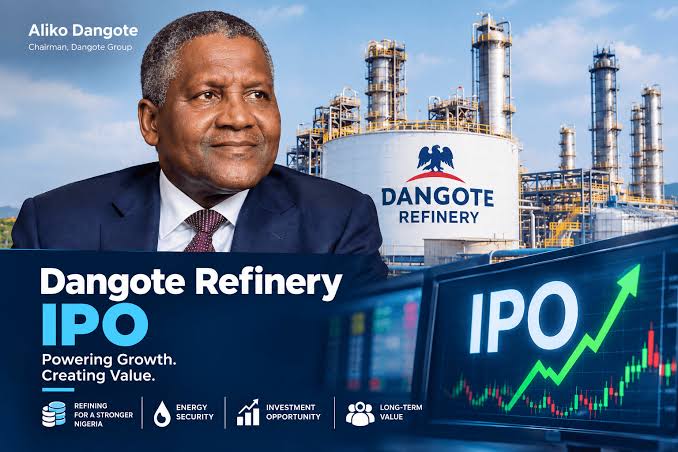
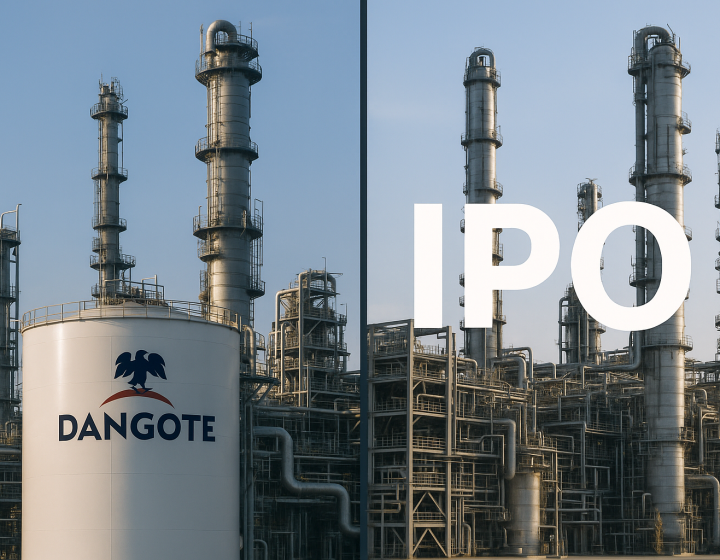
For readers researching dangote refinery IPO risk assessment, the practical details below explain what matters, what to compare, and what to avoid. Investors hunting passive income in Nigeria are watching the Dangote Refinery IPO closely. This massive refinery project promises to reshape the country’s energy landscape and could deliver attractive returns for early backers. Yet, like any Nigeria stock market IPO, the offering carries its own set of risks that deserve careful scrutiny.
The key is to move beyond headlines and conduct a focused risk assessment. By examining Dangote refinery investment risks, IPO volatility and risk, and the broader emerging market IPO risks, you can build a balanced view of whether the share price potential justifies the exposure.
Key Risks to Weigh Before You Invest
When you evaluate a new IPO, start with the big‑picture threats. Currency fluctuations can erode gains when Nigerian naira moves against the dollar, and regulatory changes in the oil sector often arrive unexpectedly. The refinery sector also faces operational hazards, from maintenance shutdowns to shifts in global crude prices.
Prospective investors also need to watch IPO pricing pressure. If the initial share price is set too high, early investors may struggle to find buyers, creating volatility. A solid Dangote refinery share price analysis reveals how the stock has moved post‑launch, but remember that past performance is not a guarantee of future results.
- Currency and sovereign risk in Nigeria
- Regulatory and policy uncertainty
- Operational and commodity price volatility
- Potential lock‑up of insider shares affecting liquidity
Tip: Build a quick spreadsheet that lists each risk factor, assigns a severity score, and notes mitigation steps. This simple visual helps you compare risks side‑by‑side with potential returns.
How to Conduct Your Own Risk Assessment
A disciplined approach starts with the prospectus. Dig into Dangote Group’s financial statements, focusing on cash flow, debt levels, and the projected output of the refinery. Check how the company plans to fund expansions and whether those plans rely on stable oil prices or government incentives.

Next, look at the broader market environment. Emerging market IPO risks often stem from investor sentiment, so monitor regional indices and any geopolitical tension that could affect Nigeria’s attractiveness to foreign capital. Analyze how the refinery fits into the larger Nigerian refining ecosystem , will it be a lone player or part of an integrated energy strategy?
Finally, model your expected returns. Estimate dividend potential, consider the passive income in Nigeria that a refinery dividend could generate, and factor in possible capital appreciation. Compare this to alternative assets like local bonds or mutual funds to see where the risk‑adjusted return looks most compelling.
Tip: Review the IPO lock‑up period and any insider selling plans. Large blocks of shares held by founders that become eligible to trade shortly after listing can trigger sudden price pressure, a classic sign of IPO volatility and risk.
Pros and Cons at a Glance
| Pros | Cons |
|---|---|
| Large‑scale refinery with growth upside | Currency and regulatory exposure |
| Potential for strong dividend yields | Commodity price volatility |
| Strategic asset in Nigeria’s energy sector | Limited liquidity in early trading |
| Access to an emerging market IPO with high upside | Insider lock‑up may affect share price |
Practical Next Steps for Today
If you’re ready to move forward, start by opening a brokerage account that supports Nigerian listings or a global platform offering ADR access. Verify the deposit methods , many investors use local banks or fintech apps that support quick Nigerian naira transfers.
Next, schedule a brief call with a financial advisor or use a reputable research service to review the IPO details. A professional perspective can help you avoid common pitfalls like over‑optimistic earnings forecasts.
Example scenario: A Lagos small‑business owner, Kemi, allocates N200,000 toward the IPO after completing the risk spreadsheet. She balances the investment , 60% in the refinery shares for growth, 40% in a fixed‑income fund , reflecting her moderate risk tolerance and desire for passive income. By acting within a week of the IPO announcement, she secures a spot before the price stabilizes.
Remember, the goal of any risk assessment is not to eliminate uncertainty but to make informed choices that align with your financial goals. Use the checklist above, stay vigilant about market signals, and never invest more than you can afford to lose.




Discussion