

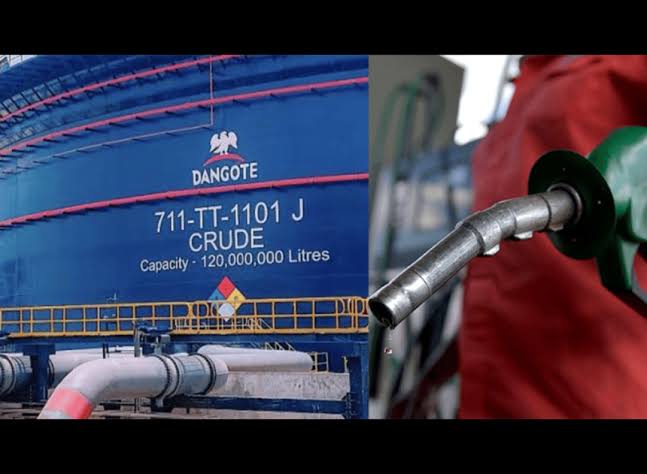
Understanding the Dangote Refinery IPO Overview
For readers researching dangote refinery IPO financial statements, the practical details below explain what matters, what to compare, and what to avoid. When evaluating the Dangote Refinery IPO, the first step is to understand the underlying financial statements that drive its valuation. The prospectus provides the roadmap, outlining how many shares will be offered, the price range, and the intended use of proceeds. For a Nigerian audience, this also means considering local currency fluctuations, government policies on petroleum pricing, and the broader economic climate. Knowing where the company plans to reinvest its cash helps investors gauge long‑term growth potential. The IPO also signals a shift in Nigeria’s energy sector, offering public investors a stake in one of Africa’s largest integrated refineries.
Key Documents to Review
The Dangote Refinery annual report and the IPO prospectus are the two primary sources. The annual report shows historical performance, while the prospectus adds forward‑looking disclosures, risk factors, and details on the offering price. A quick scan of both documents will reveal whether earnings are trending upward, how debt levels compare to peers, and what the cash conversion cycle looks like.
Income Statement Analysis
The income statement reveals how much revenue the refinery generates and what remains after operating costs. Investors should look for consistent top‑line growth and margin expansion. For example, if revenue rose from $4. billion to $4. billion while net profit margin improved from 7% to 9%, that signals operational efficiency. However, a spike in expenses, such as higher crude oil import fees or increased maintenance costs, can erode earnings. Comparing these figures to the Dangote Refinery share price trends over the same period helps contextualize market sentiment.
A practical tip: pull the last three years of income statements and calculate year‑over‑year growth rates. If growth is volatile, dig into the notes to understand one‑off items versus sustainable performance.
Balance Sheet Analysis
The balance sheet shows what the refinery owns (assets) and owes (liabilities). Current assets like cash, inventory, and accounts receivable indicate liquidity, while long‑term assets such as refineries and equipment reflect capital intensity. A healthy debt‑to‑equity ratio,typically below 0. for capital‑heavy industries,suggests manageable leverage. However, Nigerian refineries often face currency risk, so watch for foreign‑currency denominated debt.
Investors also need to assess working capital. A decline in inventory turnover can signal overstocking or obsolete crude, while slower receivables collection may hint at weaker downstream demand. Benchmarking these metrics against the broader Nigerian oil and gas sector provides a clearer picture of relative strength.
Cash Flow Analysis
Cash flow is the lifeblood of any refinery project. Operating cash flow measures the cash generated from day‑to‑day operations, while investing cash flow captures capital expenditures and asset sales. Financing cash flow tracks debt issuance, dividend payments, and equity raises. Positive operating cash flow that consistently exceeds capital spending indicates the refinery can sustain itself without constant external funding.
For a Nigerian refinery, seasonal variations in crude throughput and local fuel demand can cause cash flow swings. In practice, examine the quarterly cash flow statements to spot patterns. If cash flow becomes negative during certain months, see whether it’s due to planned shutdowns or unexpected maintenance.
IPO Valuation Methods
Valuation determines the offering price and helps investors decide whether to buy, hold, or sell. The most common approaches include:
- Discounted Cash Flow (DCF) , Projects future free cash flows and discounts them to present value using a weighted average cost of capital that reflects Nigerian market risk.
- Comparable Company Analysis , Compares Dangote Refinery multiples (e.g., EV/EBITDA) with peers like Glencore or South African refineries.
- Precedent Transactions , Looks at recent sales of similar refinery assets, especially those involving state‑backed entities.
Each method has strengths. DCF is forward‑looking but relies heavily on assumptions about crude price trends. Comparable analysis is easier to execute but may be skewed if the market lacks sufficient public peers. Investors should use a blend of methods to triangulate a fair value and compare it with the prospective share price.
Investor Due Diligence Tips
Conducting thorough due diligence can protect against costly mistakes. Here are two actionable steps you can take today:
- Download the Dangote Refinery IPO prospectus and read the risk factors section carefully. Pay attention to regulatory changes, crude price volatility, and currency exposure.
- Calculate key financial ratios,such as gross margin, return on assets, and debt‑to‑equity,using the most recent annual report and the preliminary offering documents. Compare these ratios to historical performance and sector averages.
For a quick example, imagine you are evaluating the 2023 income statement. You notice revenue grew 12% while net profit margin improved from 8% to 10%. This suggests the refinery is becoming more efficient. By cross‑checking this margin improvement with industry benchmarks, you can decide if the growth is sustainable or a one‑off event.
Key Takeaways for Investors
The Dangote Refinery IPO offers a rare opportunity to invest directly in Nigeria’s downstream sector. By reviewing the financial statements, assessing cash generation, and applying multiple valuation techniques, investors can form a balanced view of the company’s prospects. Remember to factor in local economic conditions, currency risks, and regulatory environments when making final decisions. Taking the time to understand the prospectus and performing ratio analysis today will give you a solid foundation for any future investment actions.






Discussion