


The freelance feast-or-famine cycle is a structural problem, not a personal failure. Relying on a constant stream of one-off projects means starting your sales cycle from scratch every single month. Shifting to a freelance client retainer changes this dynamic entirely, transforming unpredictable gig work into a stable business with reliable cash flow. However, securing these agreements requires moving past the outdated model of simply selling blocks of hours at a discount.
Why Traditional Retainers Break (and the Modern Alternative)
The classic retainer model is simple: a client buys twenty hours of your time per month, and you bill them regardless of usage. In reality, this model breeds friction. Clients begin tracking your time like micro-managers, feeling cheated if they do not exhaust their hours. Meanwhile, you face the administrative headache of tracking every minute, capped by a hard ceiling on your earning potential.
A better approach is the optimization-and-continuity model. Instead of selling empty blocks of time, you package ongoing technical or systemic maintenance alongside high-value strategic hours. This hybrid structure aligns your interests with the client’s business health. They pay for the peace of mind that a critical system will run smoothly, and you gain room to work efficiently without a ticking stopwatch. This shift is key to establishing consistent recurring revenue for freelancers while positioning yourself as an indispensable partner.
Structuring Your Hybrid Retainer Services
Building an appealing monthly package requires identifying a recurring, expensive bottleneck in your client’s business. You want to group tasks that prevent operational failures or directly support ongoing growth.
Consider how three different specialties can structure these packages:
System Maintenance for Operations Specialists
An operations consultant working with a real estate firm can offer a retainer to keep automated lead-routing systems and CRM platforms functioning. The scope includes weekly checks of API integrations, troubleshooting database dropouts, and a set allocation of monthly hours to adjust workflows when new marketing campaigns go live.
Creative Direction and Asset Quality Control
A creative director or visual designer can bundle a monthly brand-consistency audit of the client’s AI-generated marketing assets with five hours of premium, manual retouching and custom asset creation. This keeps the client’s high-volume content production on-brand without requiring a full-time design hire.
High-Tier Content Strategy and Optimization
Instead of writing disconnected blog posts on demand, a writer can position their services as an ongoing content optimization package. This retainer covers search intent monitoring, technical updates to keep older high-traffic posts ranking, and two new strategic, search-optimized articles each month.
Choosing a Sustainable Retainer Pricing Model
Pricing your retainer incorrectly can quickly lead to resentment. If you price too low, you end up working for pennies; if you price solely on hours, you punish your own efficiency. Choosing the right retainer pricing model depends on how you deliver value.
Value-Based Retainer Pricing
This model ties your compensation directly to the financial risk you mitigate or the value you unlock. If maintaining a real estate firm’s CRM prevents them from losing high-value leads, your monthly price should reflect that preserved revenue rather than the few hours it takes to run a diagnostic tool.
Fixed-Deliverable Pricing
In practice, freelance client retainer becomes clearer when you compare the options against the goal in front of you. For highly systemized tasks, you can charge a flat rate for an agreed-upon set of monthly deliverables, such as maintaining website security, conducting a performance audit, and delivering three specific assets. This model rewards your speed and automation.

The Hybrid Rollover Model
You establish a flat fee for baseline system health, which includes a strict, non-cumulative cap on strategic hours. If the client does not use those strategic hours within the billing cycle, they expire. This protects your calendar from sudden spikes in workload.
How to Pitch a Retainer to a Client
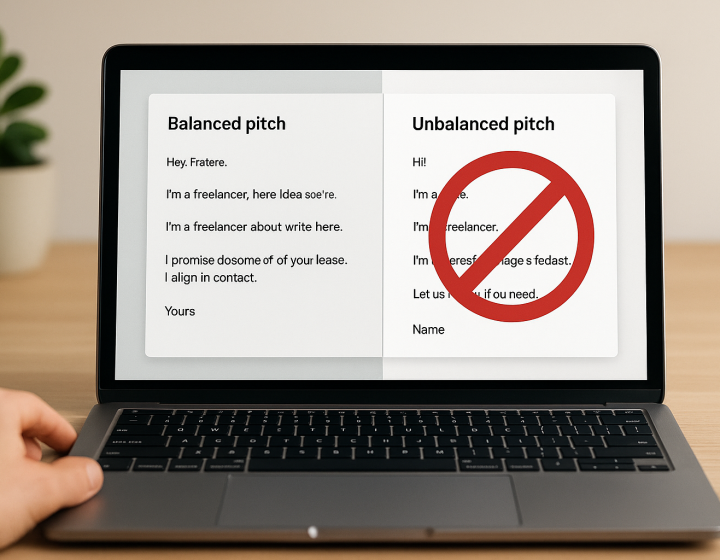
The biggest mistake freelancers make is pitching a recurring commitment to a cold prospect. Trust is the foundation of any subscription service. The most effective strategy for securing monthly retainer clients is to start with a defined, high-impact project.
Once you deliver exceptional results on that initial job, you have the context needed to pitch a long-term partnership.
For example, after building a custom workflow or launching a website, do not just send a final invoice. Frame the next steps as a preservation strategy:
“Now that your automated database is live, it will require regular updates and API checks to prevent lead leaks. I can manage this system for you on an ongoing basis, keeping everything optimized and handling minor adjustments as your campaigns change, for a flat monthly retainer.”
By understanding how to pitch a retainer to a client as an insurance policy for their operations, you shift the conversation from an added expense to operational security.
Protecting Your Income with a Strong Contract
A successful retainer requires a formal freelance retainer agreement to establish clear boundaries and prevent scope creep. Without a written contract, tasks will inevitably expand without a corresponding increase in pay.
Your freelance retainer contract template should explicitly define the following elements:
- Scope of Work (SOW): Detail exactly what is included in the monthly fee and specify that anything outside this list will be billed at a separate hourly rate.
- Upfront Billing Terms: Require payment before work begins. Retainers should be invoiced on a set day late in the month (such as the 25th) and cleared by the 1st of the service month.
- Termination Notice: Protect your cash flow with a clause requiring at least 30 days of written notice to cancel or downgrade a retainer tier.
If you operate your business in the United States, ensure you obtain a signed Form W-9 from your client. Because recurring retainers frequently exceed $600 annually, your client will need this tax information to issue a Form 1099-NEC. Setting up automated bank transfers (ACH) through platforms like Stripe or Wave also ensures payments remain predictable without manual invoicing delays.
Retaining Freelance Clients and Showing Continuous Value
The real compounding growth in your business happens when clients stay with you for years. Retaining freelance clients requires consistent, transparent proof of value.
Every month, deliver a brief, digestible performance report. Do not just list technical actions; translate your work into business outcomes. Instead of reporting that you updated database configurations, explain that the optimization kept their system fast, preventing abandoned leads. Show them exactly how your continuous work saves them time, stress, or lost revenue.
Before making a decision about freelance client retainer, use these points to weigh the trade-offs in your own situation. Break the project-to-project cycle. Pick one current client, identify an ongoing bottleneck in their operations, and propose a hybrid retainer package to secure your first stream of reliable recurring monthly revenue.








Discussion