

Setting your freelance photography pricing often feels like a guessing game that leaves money on the table. If you charge too little, you burn out spending endless hours editing behind a screen without earning a true profit. If you quote a high rate without explaining the commercial value of your deliverables, prospective business clients will look elsewhere. Building a profitable creative business requires moving past basic time tracking and choosing pricing structures that cover your actual workload.
Whether you produce commercial product shots, corporate headshots, or ongoing lifestyle visual content, your fee structure directly dictates your income stability. Mastering the balance between hourly billing, day rates, and monthly client retainers gives you control over both your calendar and your revenue.
How to choose the right freelance photography pricing model
Commercial creative freelancers generally rely on three traditional pricing structures. The right choice depends entirely on the clarity of the assignment scope and how much flexibility your client needs during production.
- Hourly rates: Best suited for brief, unpredictable assignments or live events where on-site timing can shift. Billing hourly protects you when a shoot runs over schedule, but it naturally limits your income as your technical speed and workflow improve.
- Freelance photographer day rates: The standard approach for commercial, editorial, and advertising shoots. A full-day rate usually covers up to eight hours on set, while a half-day rate accounts for four hours. Day rates secure guaranteed revenue for dedicated production days regardless of final image count.
- Project based photography rates: Ideal for defined deliverables with explicit boundaries, such as a set catalog shoot for twenty products. A project rate bundles pre-production planning, capture time, image licensing, and post-production into a single fixed fee.
When evaluating hourly vs retainer rates, the limitations of standard time-based billing become obvious. Hourly jobs cap your earnings strictly by the hours you spend working, whereas monthly retainer arrangements deliver predictable recurring income while giving clients a consistent supply of visual assets.
Factoring post production hours and business overhead
A common operational mistake is pricing jobs based solely on the time spent holding a camera. Actual shoot time often accounts for less than thirty percent of total project labor. If you charge fifty dollars an hour for a four-hour shoot but spend another eight hours selecting, color-grading, and retouching images, your real hourly earnings fall far below your target.
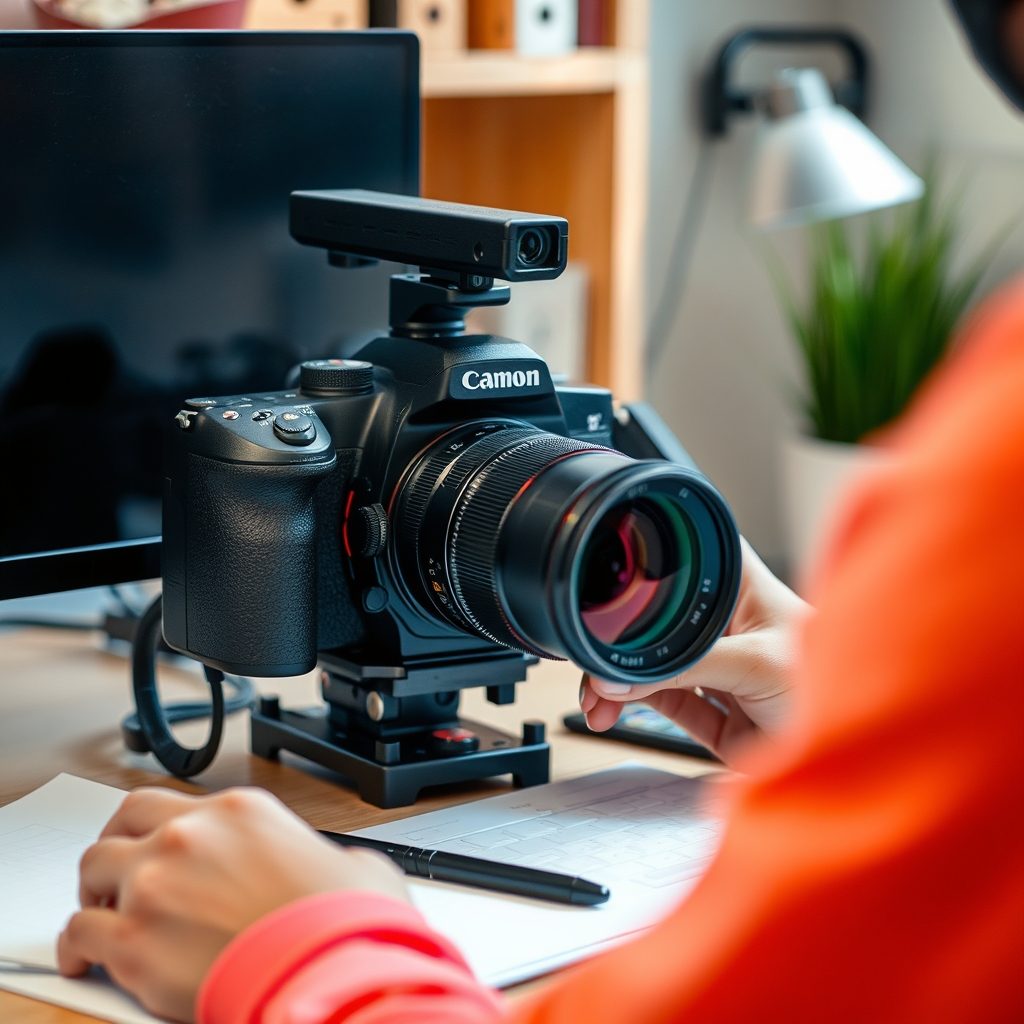
To build a realistic pricing baseline, factor these operational expenses directly into your calculations:
- Non-shooting working hours: Track pre-production meetings, creative concept development, location scouting, gear prep, file culling, color grading, and client revision rounds.
- Fixed business overhead: Account for editing software subscriptions, studio space, camera gear depreciation, professional insurance, marketing, and self-employment taxes.
- Commercial asset licensing: Base your image licensing fees on how and where the client plans to distribute the photos. A local business using an image on a social media profile requires vastly different licensing terms than an enterprise brand launching a national ad campaign.
To protect your margins on flat-rate project fees, integrate efficiency tools into your workflow. Using AI-assisted software for raw image culling, basic color balancing, and batch metadata tagging can reduce desk time significantly, making fixed-rate commercial work far more profitable.
Structuring high-margin photography retainer packages
Moving client relationships from one-off bookings to monthly photography retainer packages creates predictable revenue and smooths out cash flow. E-commerce platforms, digital marketing agencies, and consumer brands require fresh visual content constantly for ad campaigns, email marketing, and social media rollouts.
Instead of pitching individual shoots each time a client needs assets, structure your services as an ongoing monthly subscription. A standard retainer package might include a recurring half-day shoot each month, twenty-five fully retouched commercial assets, and defined digital marketing usage rights.
Practical Scenario: Consider an apparel brand that spends $1,500 per sporadic product shoot every few months. By transitioning them to a $1,200 monthly retainer for a consistent batch of ten fresh images every thirty days, the client secures predictable marketing assets while you establish $14,400 in recurring annual revenue.
Key safeguards for your photography service contracts
When updating your commercial rates, protect your time and profitability by adding clear operational safeguards to your agreements:
- Establish a minimum call-out fee: Avoid taking on-location assignments for less than your base half-day rate, no matter how brief the client claims the shoot will be.
- Standardize your photography service contracts: Explicitly outline delivery deadlines, maximum revision rounds, raw file policies, and clear usage parameters before work begins.
- Set strict post-production limits: Define the exact number of retouched files included in your baseline fee, and charge a fixed rate per image for additional selections.









Discussion