

To close high-value corporate accounts, you cannot rely on simple, one-page price sheets or casual emails. You need a structured, professional web development proposal template that speaks the language of corporate decision makers. Enterprise buyers do not buy code; they buy business outcomes. If your pitches focus entirely on tech stacks, database configurations, and frameworks, you will likely lose the project to agencies that promise to solve business problems.
Bidding on corporate web projects requires a shift in perspective. Corporate clients want to know how your digital solutions will save them time, reduce operational friction, automate customer service, or increase conversion rates. This guide details how to build an enterprise-ready proposal that justifies high-ticket pricing and builds immediate trust with corporate stakeholders.
How to Pitch Web Design to Corporate Clients
Before you write a single word of your proposal, you must understand the corporate mindset. Unlike a small local business where the owner makes immediate decisions based on gut feeling, corporate purchases involve multiple departments. Your proposal will likely be reviewed by a technical team, a marketing department, a procurement officer, and a legal team.
To appeal to this diverse group, your pitch must balance technical precision with clear business benefits. When you are preparing a web development RFP response, you must address the explicit requirements in the Request for Proposal while uncovering the silent pain points behind those requests. For instance, if the client requests a faster page load speed, they are actually asking to reduce mobile shopping cart abandonment or improve their search engine rankings. Always tie your technical capabilities directly to corporate revenue or efficiency metrics.
How to Structure a Web Development Proposal Template for Enterprise Deals
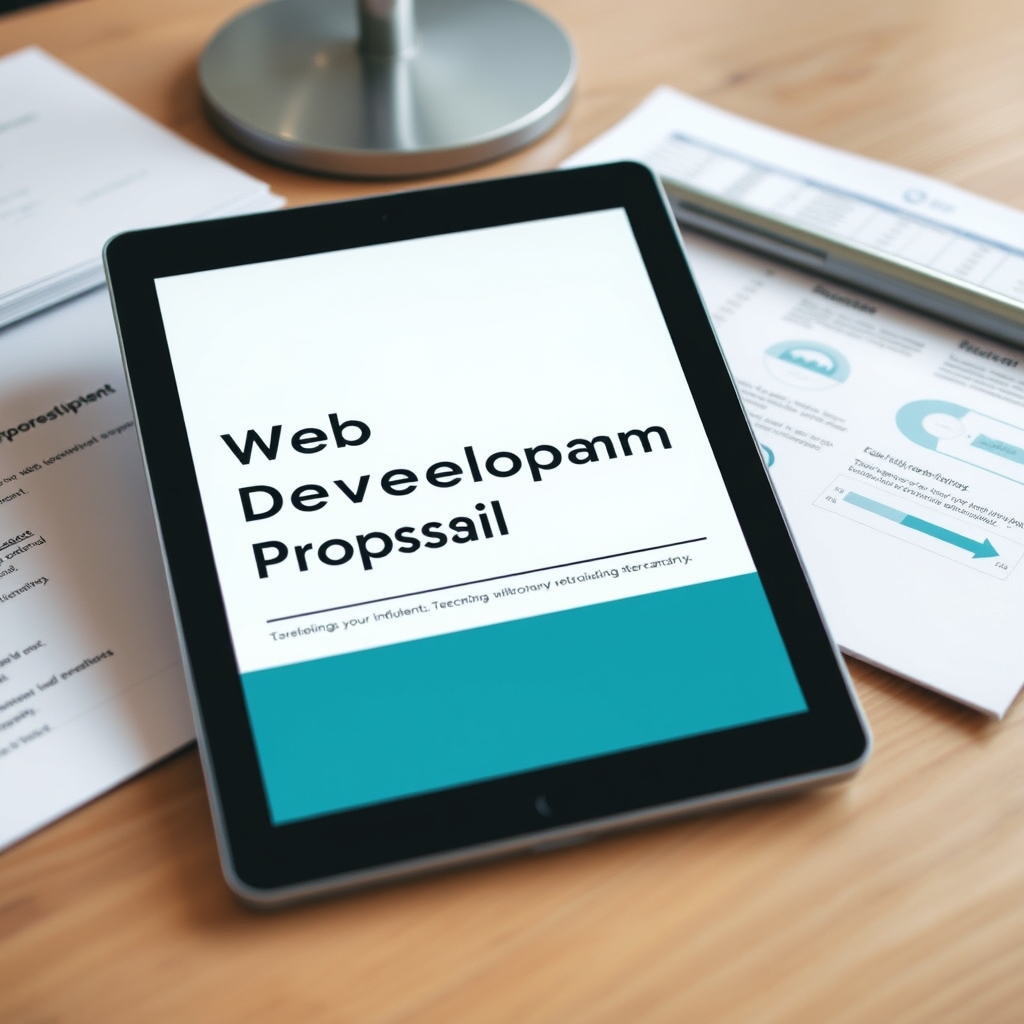
A professional web development proposal template should follow a logical sequence that guides the client from their current frustrations to a clear, ROI-driven future state. A successful framework includes the following essential sections.
1. Executive Summary
The executive summary is the most critical part of your proposal. Busy executives may only read this single page before passing the document to their technical teams. In this section, clearly articulate your understanding of the client’s business goals, their core challenges, and the high-level impact of your proposed solution. Avoid technical jargon here; focus entirely on the commercial transformation.
2. Current Problem Statement
Describe the client’s current situation in realistic detail. By clearly articulating their problems, you prove that you listened during your discovery meetings. For example, note how their outdated content management system prevents the marketing team from launching campaigns quickly, or how a lack of mobile optimization is hurting their customer acquisition efforts.
3. Proposed Digital Solution
This is your technical proposal for website development. Explain the architecture, systems integration, and design philosophy you plan to use. If you are building a custom WordPress theme, configuring secure hosting, or integrating enterprise payment gateways, explain why these choices are the safest and most scalable options for their specific scale of operations.
4. Project Timeline and Deliverables
Break the project down into clear, manageable phases. Enterprise clients appreciate structure. A typical layout might include discovery, user experience design, front-end and back-end development, quality assurance testing, and final deployment. Be realistic about delivery dates and highlight the client’s responsibilities, such as content delivery and design feedback, to prevent future scope creep.
5. Investment and Licensing
Present your pricing enterprise web development options clearly. Avoid hourly billing estimates for large projects. Instead, offer flat-fee, phase-based pricing or tier-based packages. Ensure you include ongoing costs such as secure hosting, software licensing, and monthly technical support retainers to establish recurring revenue streams.
6. Next Steps and Contract Terms
In practice, web development proposal template becomes clearer when you compare the options against the goal in front of you. Conclude with a clear call to action. Outline exactly how to initiate the project, whether that involves scheduling a review call, signing an electronic agreement, or processing an initial deposit. Mention your web design contract terms for enterprise projects, including intellectual property ownership, service level agreements, and data security standards.
Overcoming Price Objections with Clear ROI
Corporate clients rarely choose the cheapest option; they choose the option that presents the lowest risk and the highest return on investment. When a procurement department questions your project cost, you must pivot the conversation from expense to value.
Consider a practical scenario. A corporate logistics company uses a manual onboarding form for new transport partners, costing them approximately twenty staff hours per registration. If your proposed website includes an automated vendor portal that reduces registration time to ten minutes, you are not just selling a webpage. You are saving them thousands of dollars in labor costs every month. By calculating these operational savings directly in your investment section, a sixty-thousand-dollar development fee quickly looks like an incredibly smart corporate investment.
Comparing Proposal Frameworks: Freelance vs. Enterprise
To help you see how an agency website proposal sample differs from a standard freelance pitch, look at how key elements change when you target corporate clients.
| Proposal Element | Basic Freelance Approach | Enterprise-Grade Approach |
|---|---|---|
| Primary Focus | Aesthetic design and technical features | Business outcomes, ROI, and risk reduction |
| Pricing Strategy | Hourly estimates or low flat rates | Value-based, milestone-driven investments |
| Technical Focus | Basic template installation | Custom integrations, APIs, and security compliance |
| Timeline Structure | Vague completion estimates | Phased milestone schedules with clear dependencies |
| Legal & Risk | No formal service level agreement (SLA) | Robust SLAs, data privacy terms, and liability limits |
Putting Your Proposal Template Into Action
To instantly improve your success rate with corporate accounts, implement these two actionable steps today.
First, introduce a paid discovery phase for large-scale prospects. Instead of spending dozens of unpaid hours researching technical details for a complex bid, sell a short, high-value consulting engagement first. During this discovery phase, map out the technical requirements and user journeys in detail. This process establishes you as a trusted partner and gives you the exact data you need to write an airtight proposal.
Second, create a standard, professional web design proposal template document inside your document management software. Standardize your executive summary format, your case studies, and your technical stack descriptions, but keep the problem statement and pricing sections fully customizable for every prospect. This system ensures you can respond to unexpected corporate requests quickly without sacrificing quality or attention to detail.
What to Do Next
Ready to secure your next major client? Take a look at your current pitch process. Rewrite your primary proposal document to focus on business value rather than coding features. By positioning your web development services as a strategic business solution, you will stand out from the competition, build lasting corporate partnerships, and secure the premium rates your expertise deserves.
Frequently Asked Questions
What is the most common mistake when writing an enterprise web development proposal?
The most common mistake is focusing entirely on technical specifications like programming languages and software tools instead of explaining how the website will solve the client’s business problems, increase revenue, or improve operational efficiency.
How do you handle web design contract terms for enterprise clients?
Enterprise contracts require rigorous details regarding intellectual property ownership, software security standards, data protection compliance, and ongoing service level agreements. It is highly recommended to have a legal professional review these terms.
Should I include exact hosting and maintenance costs in the main proposal?
Yes. Corporate clients prefer predictable budgeting. Including clear, recurring monthly costs for hosting, security updates, and technical support prevents surprise expenses later and helps establish recurring revenue for your business.
Before making a decision about web development proposal template, use these points to weigh the trade-offs in your own situation. Elevate your agency’s pitch today by restructuring your standard proposal to focus on client ROI and professional business outcomes.







Discussion