

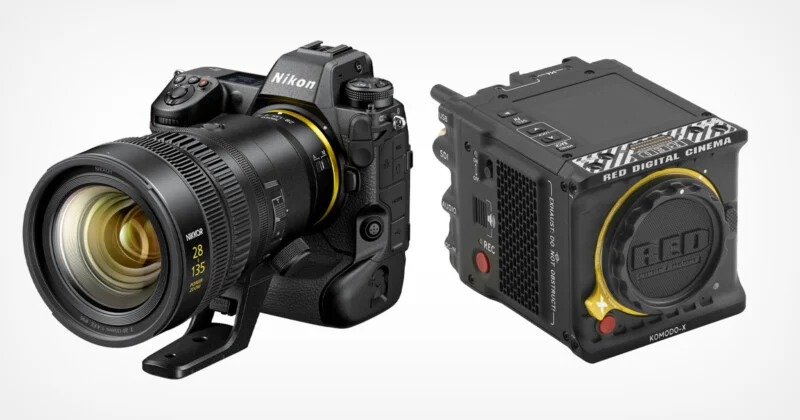
The Importance of Upgrading from a DSLR to a Cinema Camera for Documentaries
When a documentary crew swaps a DSLR for a cinema camera, the goal is usually to get cleaner footage, better low-light performance, and smoother post-production. In practice, the switch also changes battery use, storage needs, and editing time. Understanding these shifts helps you decide if the extra money is worth it. The real cost of upgrading from a DSLR to a cinema camera is not just about price tags; it reshapes your entire workflow.
Gear-to-Gear Breakdown
Image Quality & Low-Light Capability
DSLRs typically have smaller sensors that struggle in dim scenes. A cinema camera uses larger, full-frame or Super-35 sensors that stay clean at high ISO. This means fewer grainy shots and less need for artificial lighting on location.
Autofocus Reliability
DSLRs rely on contrast-based autofocus, which can hunt in tight interview spaces. A cinema camera often offers hybrid AF with faster, more accurate focus points, critical when you are following a subject in motion.
Recording Formats and Color Science
DSLRs usually record in compressed MP4 or MOV. A cinema camera can shoot RAW or high-bit-rate ProRes, giving editors more latitude in color grading. The trade-off is larger file sizes and longer export times.
Battery Life and Power Logistics
Most DSLs run a few hours on a single battery. A cinema camera often requires external battery packs or AC adapters, adding weight and the need for extra power cables on set.
Heat Management
Long-running shots can cause DSLs to overheat quickly, especially in warm climates. Cinema bodies are built for sustained use and usually have better heat sinks and cooling fans.
Hidden Cost Factors in Upgrading from a DSLR to a Cinema Camera
Initial Purchase Price
A mid-range cinema camera can start around $5,000 to $7,000, while a comparable DSLR sits at $1,500 to $2,500. That is a $3,000 to $5,000 jump, but it is only the first line item.
Accessories and Consumables
- Extra batteries or AC adapters, $200 to $500 each.
- Higher-capacity memory cards or SSDs, $150 to $300.
- Professional lenses with wider apertures, $1,000 to $3,000.
- Audio gear: XLR mic and mixer, $400 to $800.
Post-Production Workflow Changes
Switching to RAW or ProRes means your editing system must handle larger files. You may need a faster SSD, more RAM, or a new editing license. That can add $1,000 to $2,000 to the total cost of upgrading from a DSLR to a cinema camera.
Training Time
Mastering a cinema camera menu system, color grading workflow, and workflow automation can take a week of focused practice. That time is a hidden cost if you are juggling multiple projects.
ROI: When the Upgrade Pays Off
Documentaries that require low-light interviews, fast on-set edits, or high-quality distribution often see a 20-30% reduction in post-production time. The extra footage quality can also translate to higher audience engagement and better funding opportunities.
For example, a short documentary shot entirely on a DSLR might need a 15-minute extra edit to correct exposure and color. The same story filmed on a cinema camera can finish in 10 minutes, freeing up a week of editing labor.
Practical Tips You Can Use Today
- Test the swap on a single scene. Use the cinema camera for one interview and compare the file size, battery drain, and color grading ease to your DSLR footage.
- Plan your power budget. Add an extra battery pack or AC power source to your gear list before shooting in hot or remote locations.
Decision Matrix: When to Upgrade
Ask yourself these questions before buying:
- Do I regularly shoot in low light or need high ISO stability?
- Is autofocus reliability a frequent pain point?
- Will larger, uncompressed files fit in my current editing setup?
- Can I afford the extra battery and storage budget?
- Do I have time to learn a new workflow?
If you answered yes to most, the upgrade is likely justified. If not, a DSLR may still serve your needs while keeping costs lower.
Final Thought
Upgrading from a DSLR to a cinema camera is more than a price tag. It is a shift in how you shoot, power, and edit. Weigh the tangible costs against the storytelling benefits to make a choice that fits both your budget and your vision.






Discussion