

This guide explains videography vs cinematography and the practical choices that matter before you act. When a client asks whether to hire a videographer or a cinematographer, the decision hinges on the story they want told and the look they expect. The two roles share a camera but diverge in intent, workflow, and price structure.
Videography vs Cinematography: Core Distinction
Videography usually means capturing live events as they happen, weddings, conferences, concerts, or news reports. The focus is on covering moments quickly, keeping the crew light, and delivering a polished highlight reel on a tight schedule.
Cinematography, by contrast, is a crafted visual narrative. It appears in feature films, commercials, and music videos where every shot is pre‑planned, lighting is designed, and the image supports a script or concept. The cinematographer works hand‑in‑hand with a director and a larger crew to achieve a specific look.
Workflow Differences
In videography, the cycle is linear: shoot, ingest, edit, deliver. On‑camera autofocus, built‑in stabilization, and preset color profiles reduce the need for post‑production manipulation. The final product often requires color correction and basic audio cleanup.
For cinematography, pre‑production dominates. Shot lists, lighting diagrams, and lens charts are drafted before the first frame is captured. On set, the director of photography directs camera movements, selects lenses to control depth of field, and coordinates with lighting and grip crews. Post‑production typically involves a full grading pass to lock a creative look.
Equipment Choices
Both disciplines can start with a mirrorless or DSLR body, but the accessories they pair with differ.
Typical Videography Kit
- Mirrorless or DSLR with dependable autofocus (e.g., Sony A7 or Canon R6)
- Fast zoom lens, 24‑70mm f/2.8, for versatile framing
- On‑camera shotgun mic or wireless lavalier set for clear audio
- Compact tripod or monopod for quick setup
- External SSD for fast off‑load and backup
Typical Cinematography Kit
- Camera capable of raw or log recording (e.g., Blackmagic Pocket Cinema Camera, Sony FX series)
- Prime lens set (24mm, 35mm, 50mm, 85mm) to sculpt depth of field
- External monitor or recorder for precise focus tracking
- LED panels, softboxes, and reflectors for controlled lighting
- Gimbal, slider, or dolly for smooth motion
- Follow focus and matte box to manage focus and lens flare
Many creators keep a core kit for day‑to‑day shoots and rent cinema‑grade lenses or lights when a project demands a higher level of polish.
Pricing and Day Rates
In the U.S., videographers often charge a flat fee that covers shooting, basic editing, and a highlight reel. Cinematographers, working on narrative or commercial pieces, bill a day rate plus separate fees for equipment, assistants, and grading.
Clear packaging helps clients understand what they receive. An “Event Videography” package might include eight hours of coverage, two‑camera sync, and a five‑minute edited video. A “Cinematic Story” package could add pre‑production planning, lighting design, and a fully graded short film.
Positioning Your Services
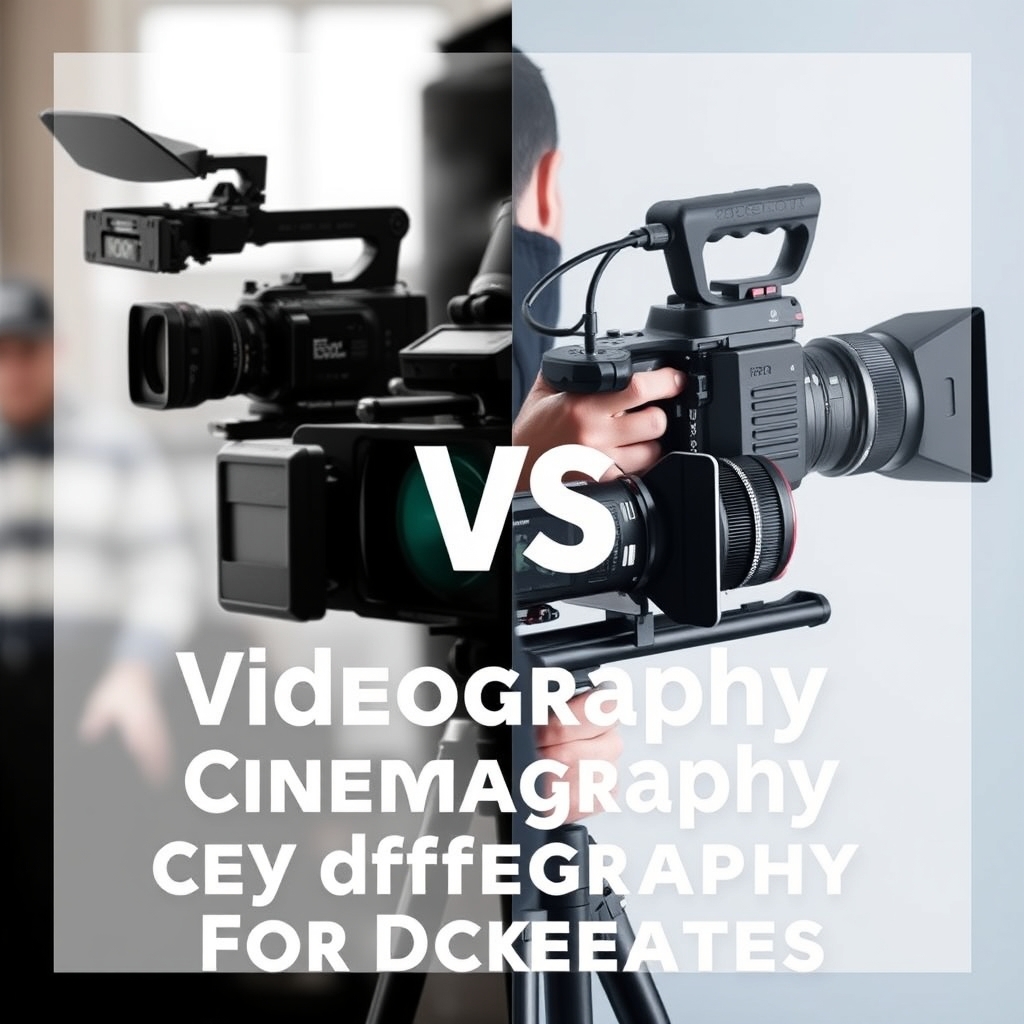
In practice, videography vs cinematography becomes clearer when you compare the options against the goal in front of you. When a potential client wants a quick recap, emphasize your videography strengths: rapid turnaround, unobtrusive coverage, and dependable audio. If they seek a brand film that tells a story, highlight your cinematography approach: deliberate lighting, thoughtful lens choice, and collaborative direction.
Separate portfolio reels for each style let prospects see the right fit at a glance.
Next Steps for Creators
Audit the gear you already own and classify it as run‑and‑gun or controlled‑image equipment. Draft two concise service outlines, one focused on fast‑turnaround videography, the other on story‑driven cinematography, listing deliverables, timelines, and price ranges. Run the outlines by trusted peers or past clients to refine your messaging before publishing.
Example: A wedding videographer who typically delivers a 10‑minute documentary‑style edit adds a cinema‑style highlight reel shot on a rented cinema camera with prime lenses. By marketing the highlight reel as a premium add‑on, they increase project revenue without purchasing new gear.
Practical tip 1: Prioritize high‑quality audio. Clear dialogue and ambient sound elevate both event videos and narrative projects.
Practical tip 2: Keep a lightweight grab‑and‑go kit for last‑minute calls, and maintain a separate rental list for planned cinematography shoots.
Frequently Asked Questions
What is the main difference between videography and cinematography?
Videography focuses on capturing events as they happen with minimal crew and fast turnaround, while cinematography emphasizes planned visual storytelling, lighting control, and collaboration with a director.
Do I need separate gear for videography and cinematography?
You can start with a versatile mirrorless camera and add specific accessories,such as prime lenses, lighting kits, or external recorders,based on the type of project you are undertaking.
How should I price my videography versus cinematography services?
Videography is often priced as a flat event fee that covers shooting and basic editing. Cinematography usually involves a day rate plus extra charges for equipment, crew, and detailed color grading, reflecting the higher creative involvement.
Before making a decision about videography vs cinematography, use these points to weigh the trade-offs in your own situation. Review your current gear and draft two service outlines,one for fast‑turnaround videography and one for story‑driven cinematography,then share them with a colleague for feedback.



Discussion