

Hard drives stacked on studio shelves are a common sight for working videographers, filled with terabytes of sharp B-roll that clients never saw. Deciding whether to catalog and upload these clips requires evaluating real-world selling stock video profitability rather than relying on outdated success stories of effortless passive income. The market is highly saturated, but a systematic, data-driven approach can still turn these idle assets into a steady revenue stream.
Earning a meaningful return requires shifting your mindset from creative experimentation to asset management. Buyers do not search for abstract artistic visions; they search for specific visual solutions to production problems. By treating your footage as a structured inventory and understanding the economics of modern platforms, you can build a portfolio that commands steady royalties.
Evaluating Platforms: Pond5 vs Shutterstock for Contributors
Selecting the best sites to sell stock footage requires a clear understanding of licensing models and contributor terms. Platform policies vary widely regarding pricing control, commission structures, and licensing exclusivity. When evaluating pond5 vs shutterstock for contributors, the fundamental difference centers on pricing autonomy.
Pond5 allows you to set your own retail prices and offers a generous royalty split, whereas Shutterstock maintains strict pricing tiers where your earnings depend entirely on your annual sales volume. The table below details how major platforms structure their payouts:
| Platform | Stock Video Royalty Rates | Pricing Control | Primary Advantage |
|---|---|---|---|
| Pond5 | 40% to 60% (based on exclusivity) | Contributor-set pricing | High payouts and complete pricing control |
| Adobe Stock | 35% flat rate | Platform-set pricing | Direct integration within Creative Cloud applications |
| Shutterstock | 15% to 40% (tiered by volume) | Platform-set pricing | Massive global subscriber pool and high transaction volume |
| Artgrid | Subscription-pool allocation | Curated platform pricing | Predictable payouts for high-quality, cinematic portfolios |
While shutterstock video contributor earnings start at a modest 15% tier each calendar year, the sheer search volume on the platform can lead to consistent transaction numbers. However, many independent filmmakers prioritize Adobe Stock and Pond5 because their stock video royalty rates offer a more predictable return on investment, laying a healthier foundation for long-term passive income for videographers.
Identifying the Most Profitable Stock Footage Niches
Successful stock contributors do not shoot random landscapes or slow-motion waves. Commercial buyers need highly specific, authentic imagery to support their corporate messaging, advertisements, and digital campaigns. Focusing on the most profitable stock footage niches helps you bypass saturated categories and target high-value buyers.
- Specialized Trades and Professional Labor: Authentic clips of industrial technicians, carpenters, specialized medical staff, or HVAC professionals working in real-world environments remain in high demand. Commercial projects rarely buy overly clean, staged representations.
- Nuanced Human Connection: Genuine interactions across varied demographics, including multi-generational families, accessible workplaces, and older adults using modern technology naturally. Avoid models looking directly at the camera or holding forced poses.
- Advanced Technology and Infrastructure: Automated manufacturing lines, lab environments with proper safety gear, server rooms, and clean energy installations.
- Selling Drone Footage for Money: High-altitude urban development, agricultural progress tracking, and industrial real estate. Make sure you hold the appropriate commercial flight certifications and local permits, as buyers require legally cleared assets.
How to Sell Stock Video for Maximum Long-Term Return
In practice, selling stock video profitability becomes clearer when you compare the options against the goal in front of you. Understanding how to sell stock video effectively requires strict adherence to professional technical standards. Video editors look for clean, highly gradable clips that fit seamlessly into diverse timelines without falling apart under color correction.
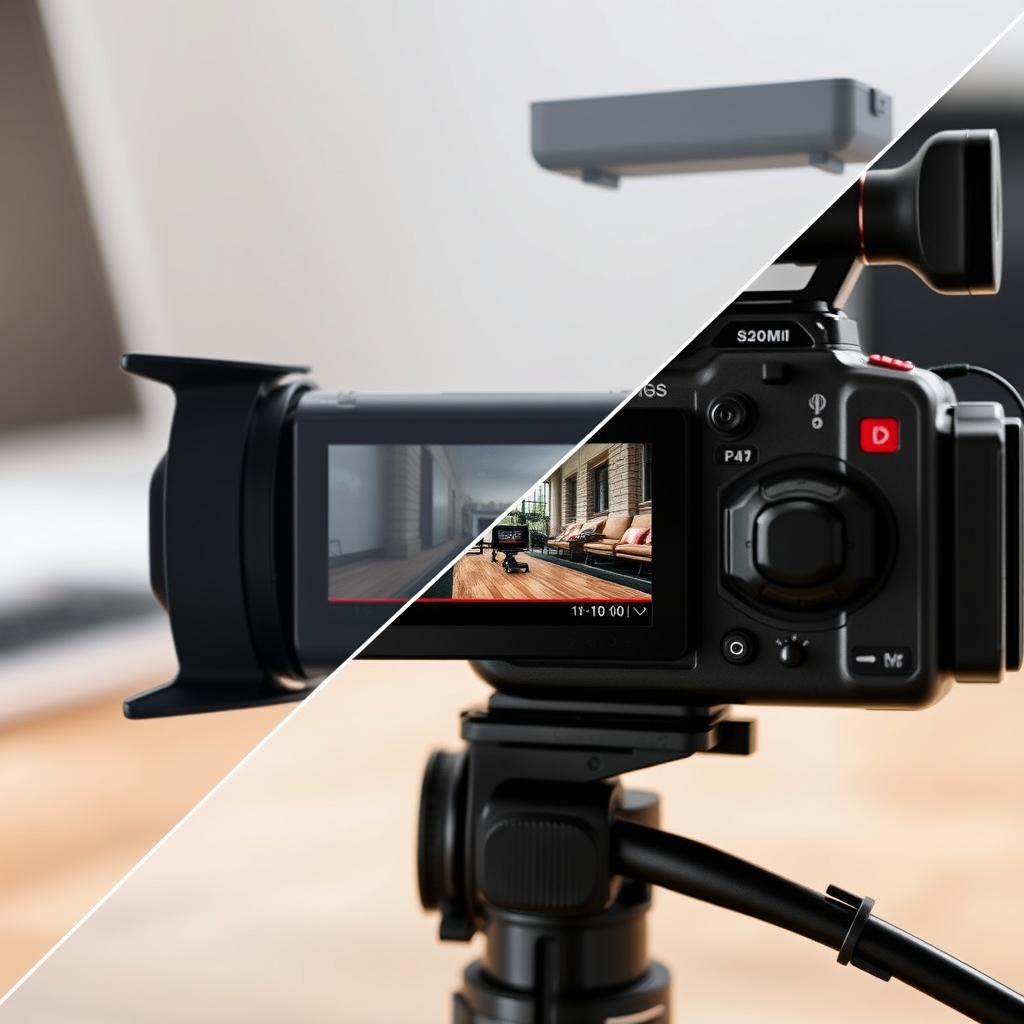
Shoot in 10-bit log profiles or ProRes 422 formats rather than highly compressed 8-bit MP4 files. Even if you deliver in 1080p, capturing your footage in 4K gives buyers the flexibility to crop, stabilize, or reframe the shot, a massive selling point for high-end production houses. Keep your shots steady; use high-quality tripods or professional gimbals unless the clip specifically calls for a motivated handheld aesthetic.
The technical preparation does not stop at the camera. Metadata acts as the doorway to your portfolio. Index your clips with highly descriptive, literal titles and tag them with relevant search terms. List the precise setting, the subject’s actions, the time of day, and the camera movement. Avoid subjective descriptions like “beautiful” or “inspiring,” and focus on objective nouns and verbs that a busy editor would type into a search bar.
Optimizing Your Existing Archive
Building a stock library is a cumulative process. Instead of shooting new material specifically for platforms, start by auditing your existing hard drives. Extract the unused B-roll from completed client projects, isolate the cleanest takes, and organize them into themed batches. By systematically uploading these surplus files to premium platforms, you turn discarded production fragments into active, recurring digital assets.
Frequently Asked Questions
Which stock video platform pays contributors the most?
Pond5 generally offers the highest royalty rates, allowing contributors to keep 40% to 60% of the sale price while setting their own rates. Adobe Stock follows with a flat 35% royalty rate.
Can you make a full-time living selling stock footage?
While some creators earn a full-time living, it requires thousands of highly optimized, niche-specific clips. Most videographers use stock footage as a supplementary passive income stream rather than their sole source of earnings.
Do I need commercial model releases for stock video?
Yes. If any recognizable faces or private properties appear in your video, you must submit signed model or property releases for the clip to be sold under a commercial license.
Before making a decision about selling stock video profitability, use these points to weigh the trade-offs in your own situation. Ready to unlock the value in your archives? Select five of your best unreleased clips, export them in ProRes 422 format, and submit them to Adobe Stock or Pond5 to build your initial portfolio.








Discussion