

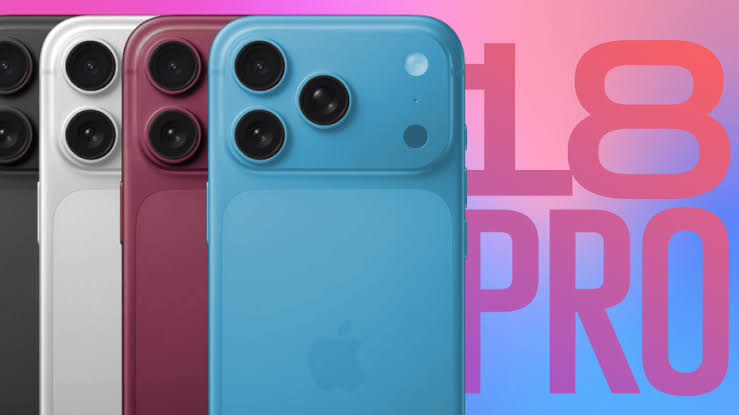
Controlling light on a mobile shoot usually means making a compromise. If you have ever filmed outdoors in harsh midday sun, you know the routine: you either slap on a screw-on ND filter that ruins your rig’s balance, or you crank the shutter speed and end up with choppy, amateur-looking motion. The latest leaks surrounding the iPhone 18 Pro Max camera suggest Apple is preparing to solve this bottleneck at the hardware level. For directors, videographers, and creators who rely on mobile filmmaking gear, this development could fundamentally change how we manage exposure and depth of field on location.
The Variable Aperture Rumor: Why Hardware Control Matters
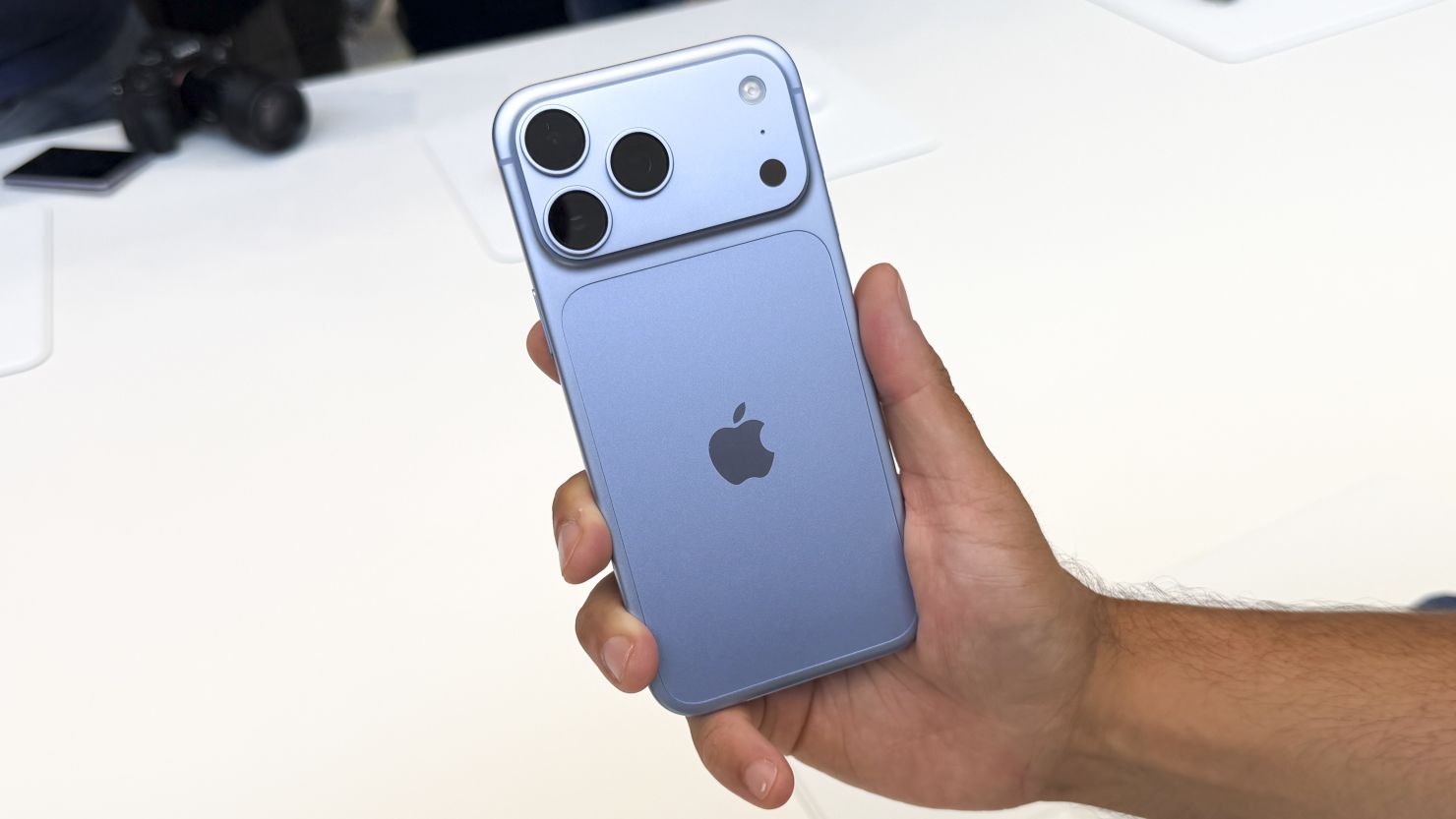
The shift from fixed glass to a variable aperture smartphone camera would mark a significant milestone in apple camera technology rumors. Historically, phones have used fixed apertures. To blur a background, the device relies on computationally intensive software modes; to limit light, it relies on digital processing. A mechanical variable aperture changes the physical size of the lens opening, just like a cinema lens.
This mechanical adjustment brings two distinct advantages to professional mobile video production. First, you gain true optical depth of field control. Instead of fighting edge-detection glitches around a subject’s hair or clothing in software “Cinematic” modes, the lens handles the separation naturally. Second, it simplifies exposure control. In unpredictable outdoor lighting, whether you are shooting a documentary in Lagos or a quick promotional spot on a bright city street, you can stop down the lens physically rather than forcing the shutter speed into values that degrade motion quality.
How the iPhone 18 Pro Max Camera Compares to Current Models
To understand what these rumored iPhone 18 video upgrades bring to your workflow, it helps to compare them with the capabilities of the hardware currently in your gear bag.
| Feature | iPhone 16 Pro Max | iPhone 18 Pro Max (Rumored) |
|---|---|---|
| Primary Lens Aperture | Fixed (f/1.78) | Variable mechanical aperture |
| Depth of Field | Computational separation | Optical separation via physical blades |
| Exposure Control | Requires external ND filters or fast shutter speeds | Physical control over light entry |
| Workflow Fit | High-end social and auxiliary B-cam | Primary professional mobile video production |
Aligning with Smartphone Cinematography Trends
The integration of variable physical glass fits perfectly into broader smartphone cinematography trends. Mobile devices are no longer restricted to casual social media clips; they are acting as secondary cameras on commercial sets and primary tools for documentary filmmakers. Having next gen iPhone camera specs that include a physical iris makes the device act more like a traditional cinema camera, simplifying post-production workflows because the footage arrives with natural optical characteristics rather than baked-in digital processing.
Upgrade or Wait? Practical Advice for Content Creators
For anyone looking for a capable iPhone for content creators, a hardware leak like this easily triggers gear acquisition anxiety. But before you start budgeting for future hardware, it is worth looking closely at your current production bottlenecks. A new sensor or mechanical lens will not fix a muddy audio track, poorly positioned key light, or disjointed story structure.
In practice, iPhone 18 Pro Max camera becomes clearer when you compare the options against the goal in front of you. Consider a practical scenario: a creator based in Yaba shooting street food documentaries. If their current videos suffer from wind noise or harsh, un-diffused shadows, waiting for future iPhone releases will not save the project. Investing a fraction of that budget today into a reliable wireless lavalier kit, a simple bounce board, or learning manual exposure tools on their current phone will yield immediate, dramatic improvements in production value.
To prepare your workflow for these upcoming physical camera systems, focus on two areas:
- Train your eye on manual exposure: Use third-party camera apps to lock your shutter speed to double your frame rate (the 180-degree rule) and practice managing exposure using ISO and external tools.
- Strengthen your supporting gear: A high-quality microphone, a stable fluid-head tripod, and a versatile light source will outlast three generations of smartphone upgrades.
Making the Right Choice for Your Production
Keep a close eye on these leaks, but let them inform your long-term planning rather than stall your current output. The best camera is always the one that is packed, charged, and ready in your gear bag. Focus on refining your composition, lighting, and pacing today, and let the hardware upgrades catch up to your skills when the time is right.
Frequently Asked Questions
Will the iPhone 18 Pro Max camera have a variable aperture?
Apple camera technology rumors strongly suggest a variable aperture lens, which would let creators mechanically control light and depth of field.
Is it worth waiting for the iPhone 18 Pro Max for mobile filmmaking?
If your current device meets your client needs, it is better to invest in immediate workflow upgrades like lighting and audio rather than waiting for unreleased hardware.
How does a variable aperture help in bright sunlight?
It allows the lens to physically narrow, reducing light intake without needing heavy neutral density (ND) filters, keeping your shutter speed at cinematic levels.
Before making a decision about iPhone 18 Pro Max camera, use these points to weigh the trade-offs in your own situation. How would a physical variable aperture change your mobile filming setup? Share this with your crew and let us know if you are waiting for these updates.




Discussion