

10 Profitable Business Ideas You Can Start in Nigeria Today
April 8, 2026
How to make money online in Nigeria.
April 28, 2026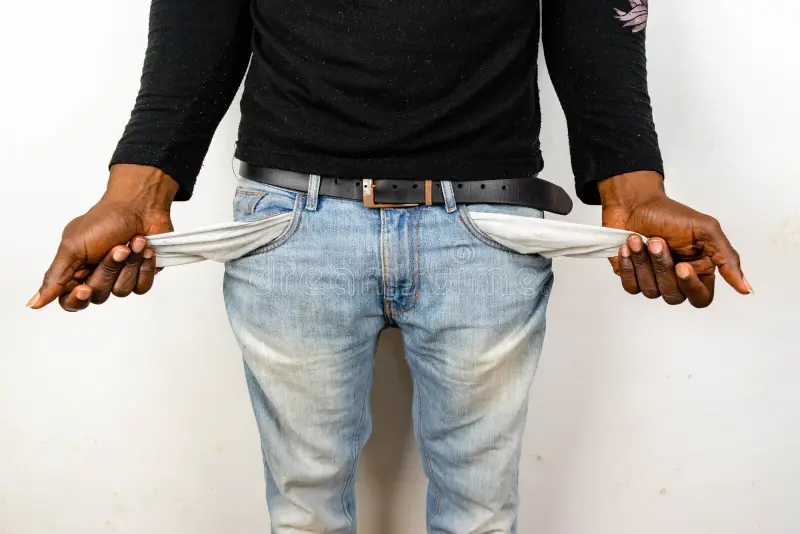
You Work Hard Every Day. So Why Are You Still Broke?
The real reason why most Nigerians stay broke has nothing to do with laziness. It is about five silent habits that drain money faster than any salary can replace it.
You wake up early. You hustle all day. You take on extra work, skip rest days, and still find yourself staring at your account balance wondering where everything went. If this sounds familiar, you are not alone. This is the daily reality for millions of working Nigerians, and the frustrating truth is that the problem is almost never about how hard you work. It is about what happens to the money after it arrives.
Understanding why most Nigerians stay broke, despite working incredibly hard, is the first and most important step to changing the story. This post will show you exactly what is happening, what to do about it, and the quiet mistakes that keep people trapped in the same cycle year after year.
The average Nigerian worker spends over 70% of their income within the first 72 hours of payday. Not because they are irresponsible. Because nobody taught them what to do next.
Why Most Nigerians Stay Broke: The Real Causes
The problem is not the economy alone. Yes, inflation is real. Yes, the naira has taken serious hits. But two people can earn the same salary in Lagos and one will be saving consistently while the other is borrowing before month-end. The difference is behavior, not income.
Here are the five core reasons why most Nigerians stay broke even when they work every single day:
No spending plan before payday
Most people spend first and plan later, which means there is nothing left to plan with. Without a budget written before the money arrives, every urgent demand, every social pressure, and every impulse wins.
Keeping up with people who are also broke
Nigerian social culture is expensive. Owambe parties. Aso-ebi. Data and airtime for everyone. The pressure to appear comfortable while carrying zero savings is one of the biggest financial traps in this country. The Central Bank of Nigeria’s own financial inclusion reports show that lifestyle spending is a top barrier to saving among urban Nigerian workers.
No emergency fund
One unexpected expense, a sick relative, a blown tire, a phone screen cracked, and the whole month collapses. When there is no buffer, every small crisis becomes a financial emergency that sets you back weeks.
Income from only one source
A single salary is one job loss or one salary delay away from a crisis. The Nigerian Investment Promotion Commission consistently highlights that households with more than one income stream weather economic shocks far better than those without.
Money sitting in a current account doing nothing
Idle cash loses value daily in a high-inflation environment. Money that is not invested or saved in a high-yield product is technically shrinking. Most Nigerians keep their money exactly where it is easiest to spend it.
Step by Step: How to Break the Cycle
These are not motivational quotes. These are specific, practical actions you can start today.
-
01Write your budget the day before payday, not after
List every expense by category before the money lands. Allocate rent, food, transport and savings first. Whatever is left is what you have to spend freely. Nothing else.
-
02
-
03Build a three-month emergency fund before anything else
Calculate your bare minimum monthly expenses, then multiply by three. That number is your safety net goal. Until you hit it, it takes priority over every other financial goal including investing.
-
04
-
05Invest in something that grows while you work
Treasury bills, money market funds, and dollar-denominated assets are accessible to Nigerians today. Platforms like Rise allow you to start investing in dollars with small amounts, protecting your money from naira devaluation.
Financial freedom in Nigeria is not about earning more. It is about finally deciding that the money you earn deserves to be managed, not just spent.
Common Mistakes That Keep Nigerians Broke
Even people who know the right steps still fall into these traps repeatedly. Watch out for all of them.
-
×
Paying others before paying yourself. Your savings account should be the very first bill you pay each month, not the last thing you think about when money runs out.
-
×
Treating a salary increase as permission to spend more. A raise means more savings and investments, not a bigger phone or a more expensive lifestyle. The Nigerian broke cycle is often funded by promotions, not prevented by them.
-
×
Lending money without boundaries. Nigerian family culture makes this especially difficult, but consistently giving out money you cannot afford to give is a direct path to staying broke yourself.
-
×
Avoiding financial education. Reading about money is not a luxury. It is the foundation of every financial decision you make. Free resources from Investopedia and local platforms like MoneyMaster NG exist for exactly this reason.
-
×
Waiting for the “right time” to start saving. There is no right time. There is only today and the compounding cost of waiting one more month to begin.
Pro Tips to Speed Up Your Financial Progress
These are the small moves that separate people who make slow progress from those who break free faster.
Use the 50/30/20 rule adapted for Nigeria. 50% for needs, 20% for savings and investments, 30% for wants. In a high-inflation environment, even hitting 10% savings consistently puts you ahead of most Nigerian workers.
Track every naira for 30 days straight. Most people are genuinely shocked when they see where their money actually goes. Use a simple notes app or a free tool like Mint to log every transaction for one full month before making any changes.
Find one person in your circle who is actually building wealth and spend more time with them. Financial habits are more contagious than most people realize. Your five closest relationships will shape your spending patterns whether you intend it or not.
Review your finances every Sunday evening for 15 minutes. This single habit creates the ongoing awareness that prevents small financial problems from becoming large ones. Set a recurring reminder and treat it like a standing appointment.
The Bottom Line
Why most Nigerians stay broke despite working hard every single day is not a mystery. It is the predictable result of five specific financial habits that nobody taught us to fix. The hard truth is that the economy is not waiting to get easier, and a salary increase alone will not solve a behavior problem.
The good news is that every single thing listed in this post is within your control today. You do not need more money to start. You need better decisions with the money you already have.
Start with one step this week. Write your budget before payday arrives. Move your savings the same hour your salary lands. The compound effect of these small decisions is how ordinary Nigerian workers build extraordinary financial stability over time.
You have been working hard enough for long enough. It is time for your money to start working just as hard for you.
Ready to Actually Change the Story?
Share this with someone who needs to read it. Then bookmark it for your next payday.